Home / Disasters and Accidents / Jamaican Farm Workers Face Dual Crisis: Storm Devastation, Employer Pressure
Jamaican Farm Workers Face Dual Crisis: Storm Devastation, Employer Pressure
15 Dec, 2025
Summary
- Hurricane Melissa destroyed thousands of homes in Jamaica, affecting many US-bound farm workers.
- Guest workers report employer threats and fear job insecurity after the storm's impact.
- A union was formed by workers, leading to a recent ruling upholding their right to organize.

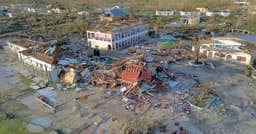
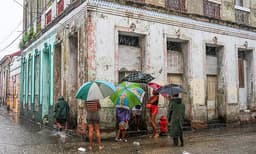
Hurricane Melissa's catastrophic landfall in Jamaica has left thousands of homes destroyed and hundreds of thousands of people affected. This devastation has deeply impacted Jamaican farm workers who travel to the United States annually on H-2A visas to fill crucial agricultural roles. Many, like Owen Salmon, faced agonizing days of silence, unaware of their families' safety, only to learn their homes were gone. The storm's aftermath has compounded their anxieties, with reports of price gouging on essential goods further straining resources for those trying to rebuild.
Adding to the hardship, several guest workers have spoken out about alleged pressure and threats from their US employers. Some claim they were told they might not be rehired in subsequent years, fueling fears about job stability. These allegations highlight a growing concern about the treatment of temporary agricultural laborers who are vital to the US farming industry. The United Farm Workers union has stepped in to support affected workers, launching fundraisers and advocating for their rights.
In a significant legal and labor development, workers at Wafler Farms in New York successfully unionized, a move recently upheld by a county judge. This ruling affirmed their right to organize despite employer challenges, paving the way for collective bargaining. While the farm cited its compliance with recruitment regulations and donations to relief efforts, the workers' struggle underscores the precarious situation of guest laborers facing both natural disasters and potential workplace exploitation, as they fight for their homes and their rights.