Home / Disasters and Accidents / Hurricane Isaias: Deadly 'Flesh-Eating' Bacteria Risk Grows
Hurricane Isaias: Deadly 'Flesh-Eating' Bacteria Risk Grows
9 Oct
Summary
- Hurricane Isaias approaches Gulf Coast, raising flesh-eating bacteria risk.
- Warm, brackish floodwaters create ideal conditions for Vibrio vulnificus.
- Infections can rapidly worsen, leading to tissue destruction and death.
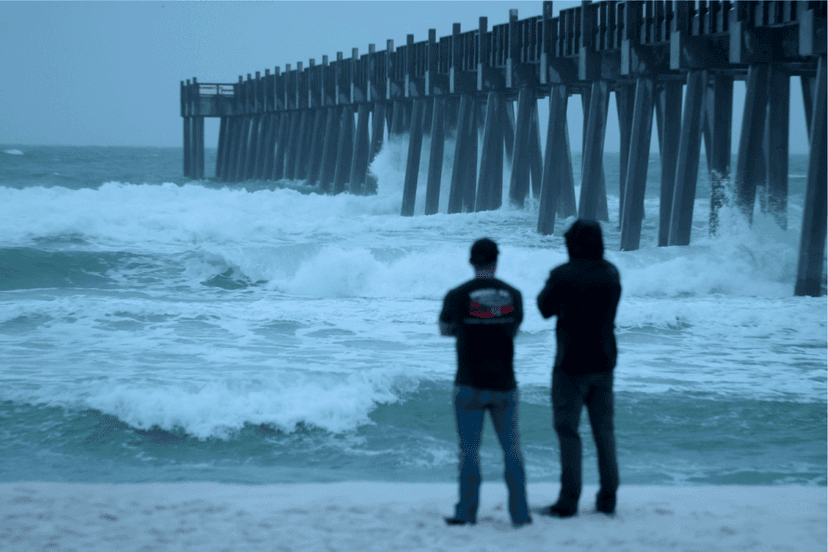
Hurricane Isaias, the first Atlantic hurricane of 2026, is prompting experts to warn of a serious threat beyond wind and flooding: an increased risk of Vibrio vulnificus infection. The storm is forecast to bring life-threatening storm surge, creating warm, brackish floodwaters conducive to the bacteria's proliferation. This 'flesh-eating bacteria' naturally resides in coastal waters and can cause severe illness, particularly when seawater enters open wounds.
Past hurricanes have shown a link to increased Vibrio vulnificus cases. Following Hurricane Ian in 2022, southwest Florida recorded 38 storm-associated cases, with 11 fatalities. Similarly, Hurricane Katrina in 2005 saw a significant jump in infections along the Gulf Coast, resulting in 22 severe cases and five deaths. Experts note that hurricanes can exacerbate this risk by inundating inland areas with contaminated coastal waters.
Preventative measures include wearing protective footwear in floodwaters and promptly cleaning any cuts exposed to storm surge. Individuals with underlying health conditions like liver disease or diabetes are at higher risk for severe outcomes. Climate change is also a concern, as warming temperatures may expand the bacteria's habitat and contribute to more intense coastal flooding, potentially increasing future infection incidents.


