Home / Disasters and Accidents / Himalayan Disaster: Data Sharing Gaps Exposed
Himalayan Disaster: Data Sharing Gaps Exposed
31 Aug
Summary
- Experts from Nepal and China met before the disaster.
- Nepal sought more data from China on glacier risks.
- Insufficient data sharing may have hampered disaster preparedness.
In May 2026, months before a devastating Himalayan flood, officials from Nepal and China convened in Kathmandu to discuss disaster response. The meeting aimed to bolster cooperation on monitoring floods, weather, and glacier-related hazards. Participants called for joint risk-reduction measures, including glacier lake inventories and hazard mapping.
However, Nepali officials expressed concern that they did not receive sufficient information from China regarding glacier risks and water levels. They felt that inadequate data sharing could impede their ability to anticipate and prepare for major disasters, despite China stating its data sharing has been 'timely'.
Just twelve days prior to the catastrophe, China's World Meteorological Centre warned Nepali officials about a forecast monsoon depression, highlighting potential secondary hazards like landslides and flash floods. This warning was received via email, detailing expected rainfall from August 14 to August 19, 2026.
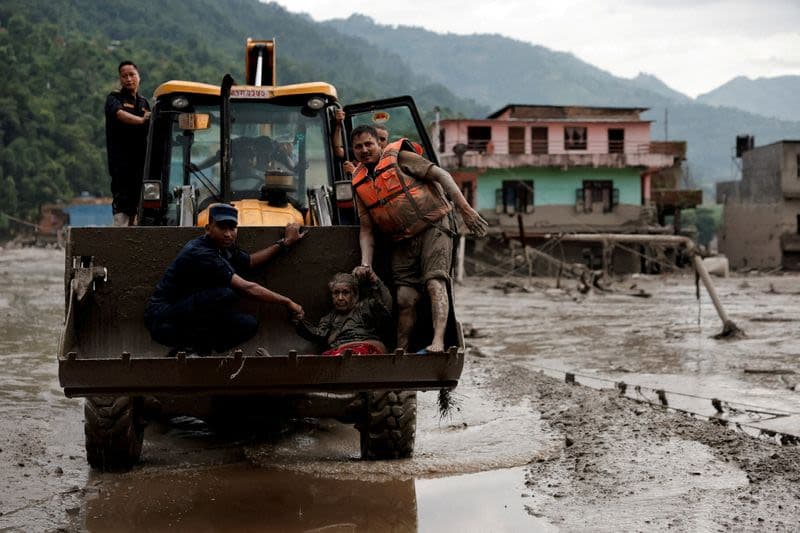
Ultimately, the glacial collapse unleashed high-speed flash floods, causing widespread destruction. The disaster, which killed nearly 800 people and left thousands missing, has prompted Nepal to seek a more robust data-sharing agreement with China, aiming for information updates every ten minutes to enhance early warning systems.


