Home / Disasters and Accidents / Greece's Grid a Ticking Time Bomb?
Greece's Grid a Ticking Time Bomb?
18 Aug
Summary
- A June fire likely stemmed from a short circuit on the same network.
- Underinvestment during debt crisis is blamed for grid's poor condition.
- Faulty power lines linked to two major deadly fires this year.
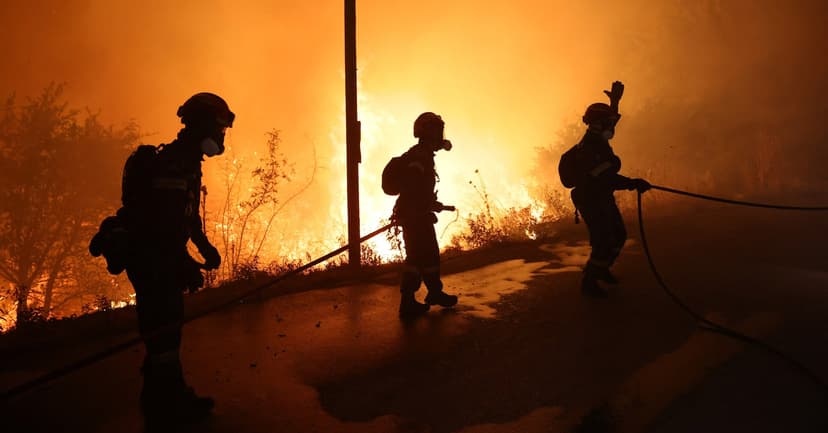
Weeks prior to a significant wildfire on July 31, a smaller blaze near Agios Vasileios, Greece, occurred on the same private wind farm network. A fire department report, viewed by Reuters, suggested this June 27 incident, likely caused by a short circuit, highlighted recurring issues with the network's operation and condition. This earlier event underscores rising concerns about Greece's electricity infrastructure, particularly its power lines that traverse rural areas and are exposed to extreme summer weather.
Investigations have linked faulty power lines to two major fires this year, including the Agios Vasileios blaze that tragically resulted in the deaths of two helicopter crew members. Another fire in Crete, which also claimed two firefighters' lives, forced the evacuation of tourists. Data indicates suspected electricity network failures are responsible for a substantial portion of land burned this year, though the public power distributor disputes this figure, citing historically low involvement rates.
Years of underinvestment, particularly during Greece's 2009-2018 debt crisis, have impacted the power grid's safety. While the public distributor has significantly increased annual investments and underground cable installations, the vast length of the distribution network means a complete transformation will take time. The Mavro Spithari wind farm's privately owned power lines, not part of the national grid, are also under scrutiny for their role in the July 31 fire, with a report indicating inadequate maintenance and potential short circuits exacerbated by strong winds.


