

Home / Disasters and Accidents / Germanwings: 11 years on, flight safety fears
Germanwings: 11 years on, flight safety fears
28 Mar
Summary
- Co-pilot locked captain out, crashing jet into mountain.
- Stricter pilot medical checks, especially mental health.
- Two-person cockpit rule and increased colleague reporting.
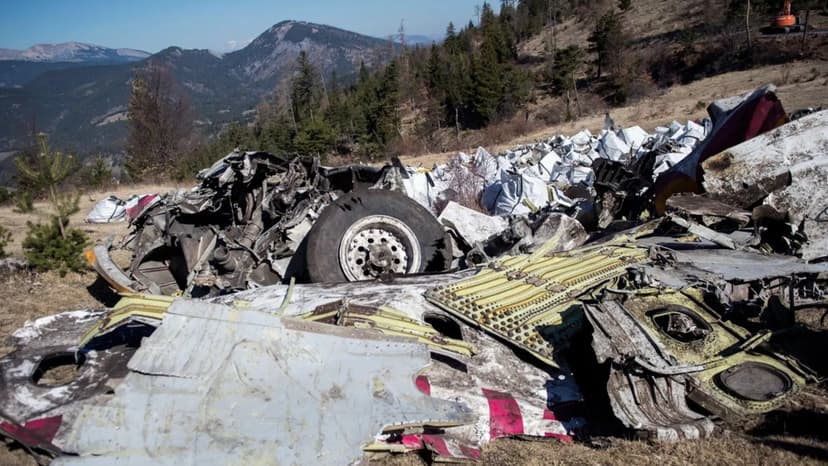
Eleven years ago, the aviation world was shaken by the Germanwings Flight 9525 disaster, where co-pilot Andreas Lubitz locked his captain out of the cockpit and intentionally crashed an Airbus A320 into the French Alps. The tragic event on March 24, 2015, claimed the lives of all 150 people on board, including 16 schoolchildren.
Investigators concluded the crash was a murder-suicide, revealing Lubitz had a history of severe depression and had disregarded a doctor's note deeming him unfit to fly. This catastrophe spurred major international aviation safety overhauls.
Global aviation has since implemented much stricter medical scrutiny for pilots, with a significant focus on mental health evaluations. The reinforced cockpit door lock can no longer be overridden from the inside, and regulations now mandate that two individuals must be present in the cockpit at all times.
Furthermore, a culture of vigilance has emerged, encouraging pilots and cabin crew to report any behavioral concerns about colleagues without fear of reprisal. This collective responsibility ensures enhanced oversight, making every crew member a potential safeguard.
While these reforms have made flying safer, experts caution that the threat can never be completely eradicated. Human behavior remains an unpredictable factor, and vigilance remains paramount to prevent future tragedies. Passengers are also encouraged to remain aware and contribute to mutual safety.
