Home / Disasters and Accidents / Wildfires Unearth WWI, WWII Bombs in Europe
Wildfires Unearth WWI, WWII Bombs in Europe
22 Aug
Summary
- Wildfires in Europe are uncovering unexploded bombs from WWI and WWII.
- Explosions from heated munitions have been reported in multiple European countries.
- Climate change is linked to increased vegetation growth and drier conditions, fueling fires.
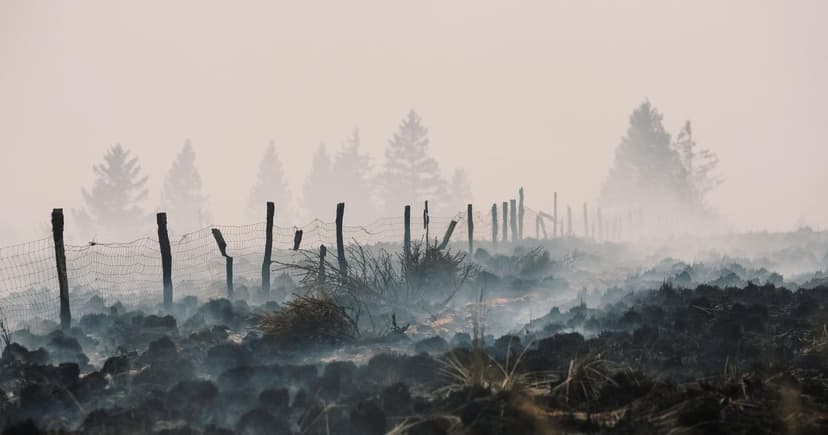
This summer's widespread wildfires across Europe have uncovered a perilous threat: unexploded bombs and mines from World Wars I and II. The intense heat of the fires has caused some of these buried munitions to explode, with detonations reported in France, Belgium, Germany, and the Netherlands. These incidents highlight a growing danger as climate change creates conditions conducive to extreme wildfires.
Factors like heavy January rains spurring vegetation growth, followed by drought, low humidity, and strong winds, have created a perfect storm for fires. These conditions are not only leading to mass evacuations but are also reactivating dormant explosives. Climate scientists note that Europe's "climatic luck" is diminishing, with climate change now actively unearthing historical ordnance.
In Belgium's Liege province, sporadic detonations have been heard in a fire-threatened peat-bog forest, a former battleground. Similarly, a forest fire near Bordeaux, France, uncovered approximately 400 World War II-era ammunition rounds. Discoveries of unexploded ordnance are not uncommon in Europe, often requiring evacuations and extensive disposal efforts by authorities, but wildfire heat adds a volatile, uncontrolled dimension to the risk.


