

Home / Disasters and Accidents / Study: Elderly Passenger Placement Impacts Evacuation Safety
Study: Elderly Passenger Placement Impacts Evacuation Safety
4 Apr
Summary
- Elderly passengers may slow down emergency evacuations, research suggests.
- Aviation simulations show passenger age distribution affects safety.
- Current evacuation times exceed FAA mandates due to new challenges.
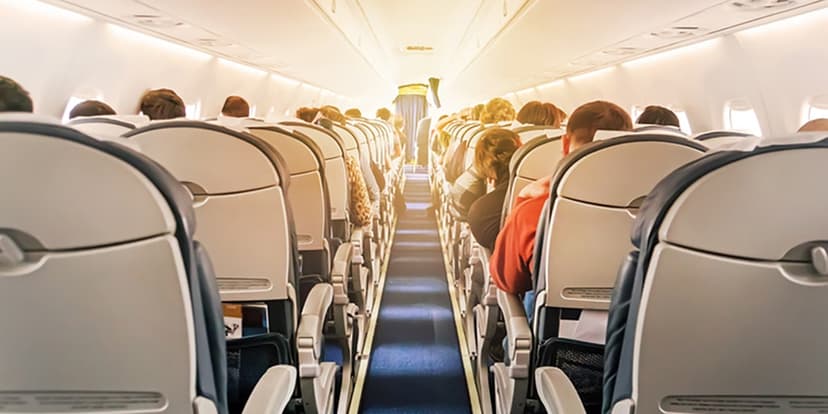
A recent study has highlighted potential challenges in aircraft emergency evacuations posed by an increasing number of elderly passengers. Researchers simulated evacuation scenarios on an Airbus A320, a common aircraft type, to assess the impact of passenger age and distribution.
The findings, published in AIP Advances, indicated that the proportion and location of passengers over 60 years old critically influenced evacuation duration. Even in an optimized layout, simulations showed evacuation times exceeding the Federal Aviation Administration's (FAA) 90-second requirement for emergency deplaning.
Experts note that reduced mobility and cognitive factors in older travelers can slow down evacuation, especially in high-stress situations. Congestion can occur when elderly passengers are unevenly distributed. Future research will explore challenges posed by children and pregnant women.
The study suggests that airlines can proactively mitigate risks by considering passenger distribution in seating arrangements. This proactive approach aims to enhance safety without compromising operational efficiency, ensuring compliance with aviation safety regulations.
