Home / Disasters and Accidents / Asia's Alarming New Reality: Climate Fuels Deadly Floods
Asia's Alarming New Reality: Climate Fuels Deadly Floods
11 Dec, 2025
Summary
- Climate change intensified heavy rainfall, increasing flood intensity by up to 160%.
- Cyclone Ditwah and Senyar caused over 1,750 deaths and widespread devastation.
- Deforestation and development in floodplains worsened disaster impacts in Asia.

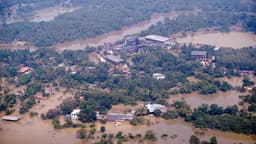
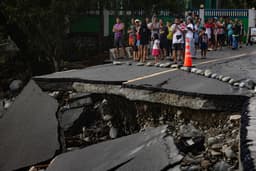
Deadly cyclones and severe flooding in Asia, which resulted in over 1,750 fatalities, are increasingly linked to the climate crisis. Scientists have determined that human-caused global warming has significantly intensified rainfall, with evidence showing a 28-160% increase in the intensity of heavy rain episodes in areas affected by Cyclone Senyar. Sri Lanka experienced a 9-50% increase in heavy rain intensity.
These events, including Cyclone Ditwah striking Sri Lanka and Cyclone Senyar impacting Sumatra and Malaysia, represent some of the deadliest weather-related disasters in recent history. The analysis by World Weather Attribution underscores that while monsoons are normal, the escalating intensity of these storms is not. Experts attribute this to warmer air holding more moisture, a direct consequence of the 1.3C global warming observed to date.
Compounding the crisis, deforestation and urban development in low-lying floodplains have worsened the impacts. These factors reduce the land's capacity to absorb water, increasing flood peaks and debris. The economic toll, with Sri Lanka facing $6-7 billion in damages, highlights the urgent need for preparedness against future climate-driven extremes.