

Home / Disasters and Accidents / Chernobyl: 40 Years of Lessons Learned?
Chernobyl: 40 Years of Lessons Learned?
25 Apr
Summary
- Chernobyl's 1986 disaster shaped world events with lasting consequences.
- The plant's RBMK reactor design had inherent flaws contributing to the explosion.
- Recent conflicts highlight new, unforeseen risks for nuclear sites.
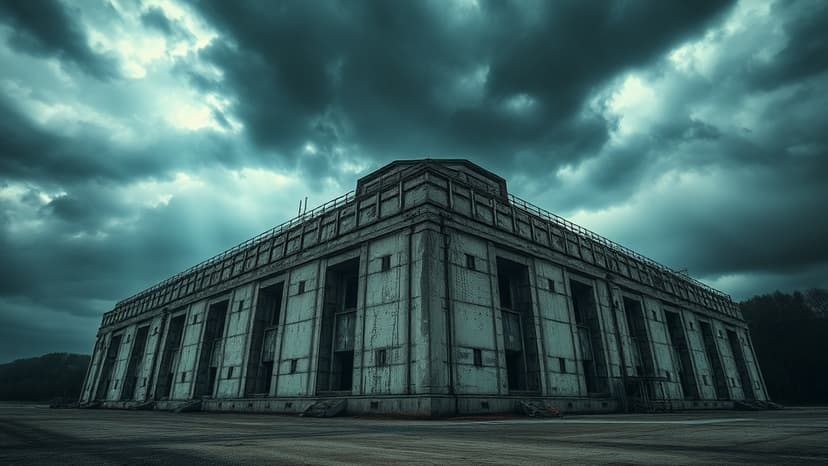
Forty years ago, the Chernobyl nuclear power plant experienced the world's worst nuclear disaster on April 26, 1986. The event was a stark illustration of the flaws in the Soviet RBMK reactor design and the severe consequences of government secrecy.
Initial evacuations displaced over 115,000 people immediately, with more than 220,000 later displaced from Belarus, Russia, and Ukraine. The Soviet Union attempted to suppress information, but the radioactive fallout spread to five neighboring countries.
The immense cleanup effort involved hundreds of thousands of "liquidators," leading to the construction of a sarcophagus over the ruined reactor. This disaster underscored the catastrophic potential of poor management and lack of transparency.
More recently, Chernobyl became the first nuclear plant occupied by an invading army in 2022, and Zaporizhzhia followed. These events revealed a terrifying new dimension of nuclear risk: warfare around nuclear facilities.
Despite the devastation, the Chernobyl exclusion zone has become a unique nature reserve, supporting diverse wildlife. Scientists continue to study its ecosystem, exploring how life adapts to radiation and seeking knowledge applicable to future challenges, including space exploration.

