
Home / Disasters and Accidents / Bihar Bridge Collapse: Trust Falls With Concrete
Bihar Bridge Collapse: Trust Falls With Concrete
6 May
Summary
- Vikramshila Setu, a vital bridge in Bihar, partially collapsed on May 3.
- Officials suspended two engineers for ignoring warning signs before the collapse.
- The incident highlights systemic issues in infrastructure maintenance and accountability.
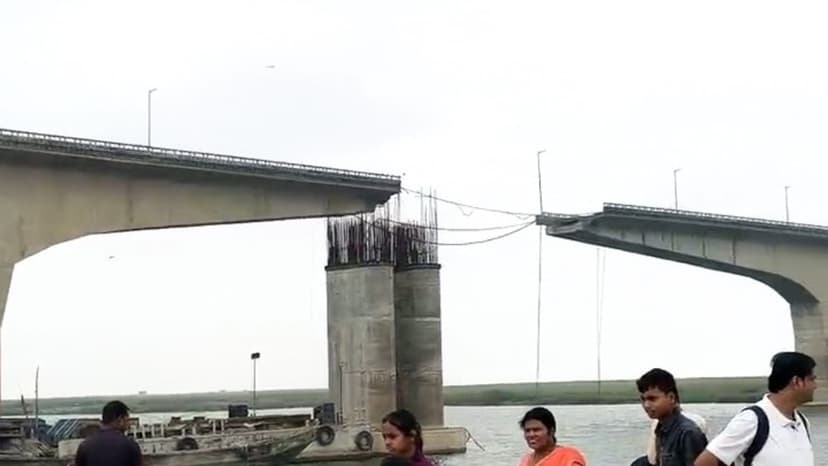
On the night of May 3, the Vikramshila Setu over the Ganga in Bhagalpur, Bihar, experienced a partial collapse, described as a structural failure. This incident has significantly damaged public trust.
Bihar has seen numerous bridge collapses in recent years, often followed by swift administrative actions, including traffic diversions, probes, and suspensions. The current chief minister has requested assistance from the Indian Army and Border Roads Organisation due to the urgency.
Officials have assured that the bridge's pillars remain intact and repairs are expected within months. However, questions persist about how a critical lifeline, operational since 2001 and connecting southern Bihar to other regions, reached such a state of vulnerability.
Concerns about the bridge's integrity surfaced weeks before the collapse when a false wall beneath it broke. Despite promises of a micro-assessment and subsequent investigations, a section of the bridge still gave way.
In response, two engineers were suspended for allegedly disregarding red flags, and a probe was ordered. This administrative response, however, points to a larger systemic issue regarding the culture of maintenance, inspection, and responsibility within Bihar's infrastructure sector.
This event is not isolated; over the past two years, more than a dozen bridges in Bihar have failed. These failures, attributed to various reasons like design flaws or poor materials, collectively indicate a pattern of infrastructure being built but not adequately maintained.
The cycle of building without consistent upkeep, ignoring warnings, and diffusing responsibility among various agencies is deeply concerning. While individual officials may face suspension, the system often absorbs these failures without fundamental change.
The consequences extend beyond physical damage, impacting citizens' confidence in governance. If essential structures like bridges fail despite warnings, it raises doubts about other overlooked areas of public safety and service.
The current response of seeking external help from the army or BRO for repairs raises questions about Bihar's internal institutional capacity and preparedness for emergency infrastructure management.
Accountability must extend beyond suspended engineers to the entire decision-making chain, examining who flagged issues, reviewed them, and why preventive actions were not taken. The limited consequences for repeated failures, such as temporary blacklisting of contractors or diffused bureaucratic responsibility, necessitate a reevaluation.
If repeated collapses do not prompt a structural overhaul of inspection and accountability mechanisms, the problem is institutional. Bihar needs enhanced enforcement of standards, consistent maintenance, and a culture that treats warnings with urgency.
The damage to the Vikramshila Setu was preventable, highlighting a serious indictment of the current system. While repairs will likely restore immediate functionality, sustained systemic change is crucial to prevent future collapses.
