Home / Disasters and Accidents / Greed Fuels Asia's Deadly Storms: Experts Warn
Greed Fuels Asia's Deadly Storms: Experts Warn
3 Dec, 2025
Summary
- Over 1,300 lives lost in Southeast Asia due to cyclonic storms and floods.
- Deforestation and unregulated development amplified storm impacts.
- Experts link disasters to extreme weather magnified by climate change and greed.
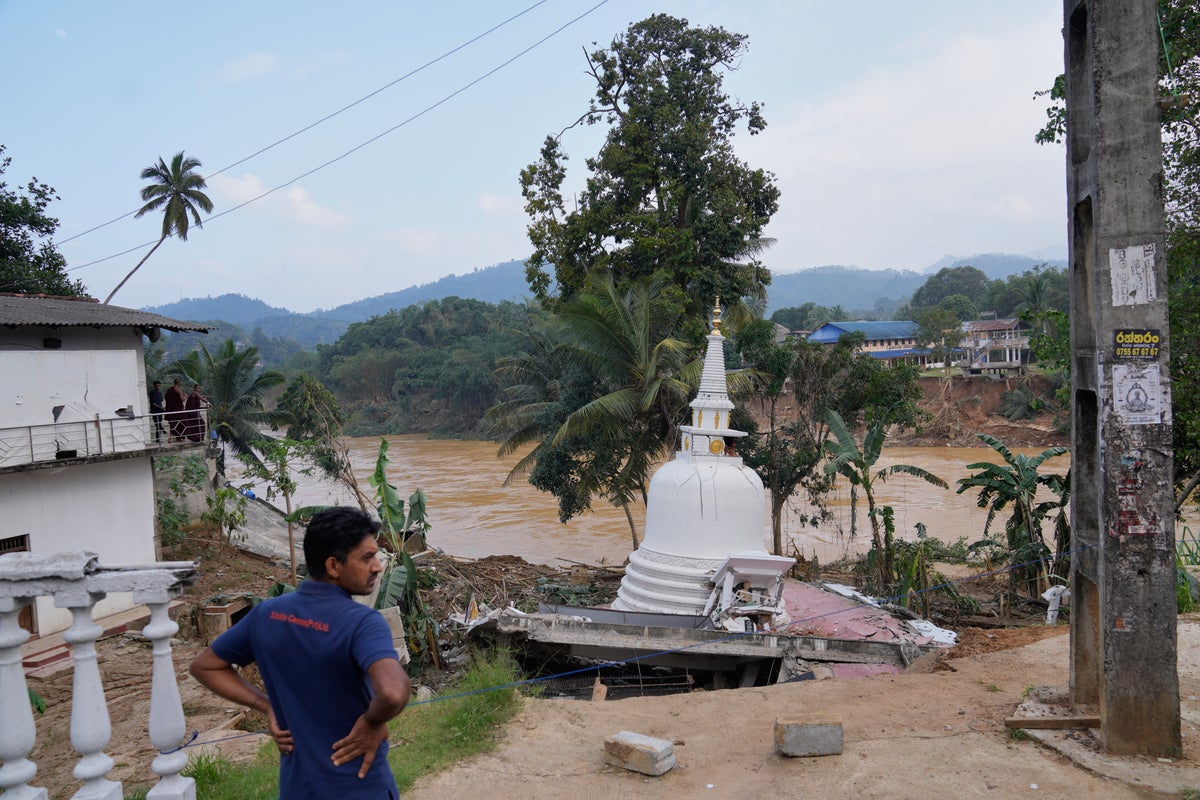
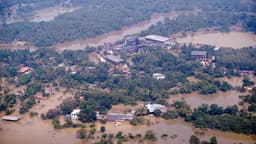
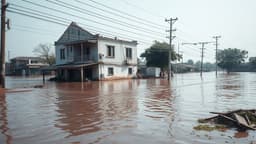
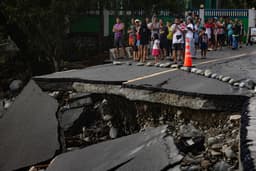
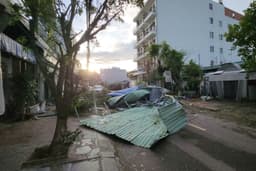
Southeast Asia is grappling with a series of devastating cyclonic storms and floods that claimed over 1,300 lives last month. Indonesia, Sri Lanka, and Thailand were particularly hard-hit, with hundreds of thousands displaced and essential infrastructure destroyed. These events are characterized as a new normal of punishing storms, a direct consequence of climate change amplified by human activities.
The rapid succession of three major cyclonic storms—Typhoon Koto, Cyclone Senyar, and Tropical Cyclone Ditwah—was fueled by unusually warm ocean temperatures. Experts point to unchecked deforestation and unauthorized land-clearing as critical factors that stripped hills of their natural ability to absorb water. This absence of natural buffers turned heavy rainfall into lethal waves, devastating downstream communities.
Regional experts are warning that without urgent cuts in fossil-fuel emissions and significant investment in resilience measures, such disasters could become commonplace. The call for action includes restoring forests, enforcing planning rules, and strengthening early-warning systems to mitigate future catastrophes.