Home / Disasters and Accidents / Dying for Danger: Nuclear Worker's Agonizing 83 Days
Dying for Danger: Nuclear Worker's Agonizing 83 Days
13 Feb
Summary
- Worker endured 83 agonizing days after lethal radiation exposure.
- Accident caused by inadequate training and regulatory oversight.
- Radiation dose was 850 times the safe annual limit.
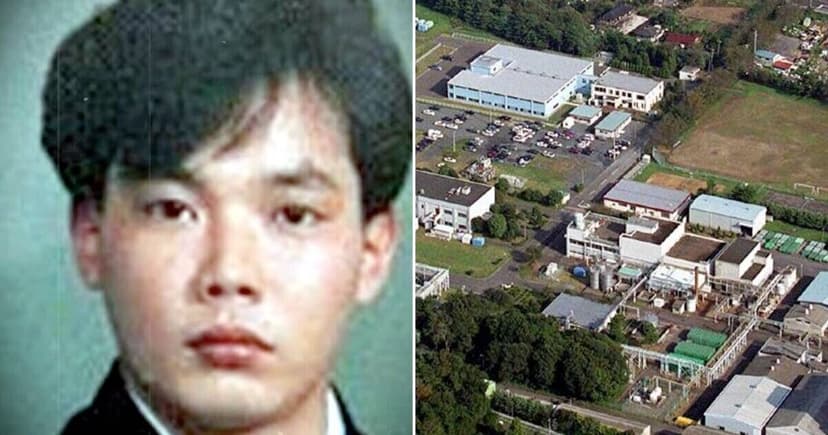
In 1999, a Japanese nuclear facility worker, Hisashi Ouchi, experienced what has been described as the most agonizing death ever documented. He was exposed to a lethal dose of radiation, approximately 850 times the safe annual limit, triggering an uncontrolled nuclear chain reaction. Ouchi's body was positioned over a processing tank during the incident.
Transported to Tokyo University hospital, Ouchi's condition was dire. Medical staff observed severe radiation burns and a complete lack of white blood cells, indicating no immune system. Chromosomes in his bone marrow were obliterated. Despite his deteriorating organs and immense suffering, doctors attempted experimental treatments, including stem cell transplants and skin grafts.
For 83 days, Ouchi endured unimaginable pain, with his skin peeling away and organs failing. He repeatedly pleaded with medical staff to end his suffering, stating he was not a "guinea pig." His heart stopped twice but was restarted by medics. He eventually died on December 21, 1999, from multiple organ failure.
An investigation by the Japanese government revealed the accident stemmed from a lack of regulatory oversight, a poor safety culture, and insufficient worker training. Consequently, six company officials were charged with professional negligence and violating nuclear safety laws, receiving suspended prison sentences in 2003.