Home / Disasters and Accidents / Afghanistan Trembles: Shallow Quakes Pose Greater Threat
Afghanistan Trembles: Shallow Quakes Pose Greater Threat
18 Jan
Summary
- Shallow earthquakes generally pose a greater danger than deep ones.
- Afghanistan's location on tectonic plate boundaries increases seismic risk.
- Repeated natural disasters compound the challenges faced by conflict-affected communities.
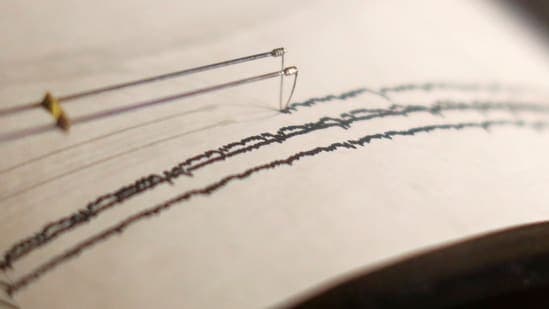
Shallow earthquakes are generally more hazardous than their deeper counterparts. This is because seismic waves from shallower events have less distance to travel, leading to more intense ground shaking and a higher potential for structural damage and casualties.
Afghanistan, located in a seismically active zone along the boundary of the Indian and Eurasian tectonic plates, frequently experiences earthquakes. This geological setting, particularly in regions like the Hindu Kush, makes the country susceptible to seismic events. Recent tremors, including a magnitude 4.2 earthquake on January 15, 2026, at a depth of 96 km, underscore this ongoing risk.
The nation's vulnerability is compounded by its history of conflict and limited development. Repeated natural disasters, such as earthquakes, landslides, and floods, further strain communities already struggling, leaving them with diminished capacity to cope with and recover from multiple shocks.