
Home / Crime and Justice / Winnipeg Police to Track Race in Use-of-Force Data
Winnipeg Police to Track Race in Use-of-Force Data
17 Jun
Summary
- Winnipeg police will mandate race-based data collection for use-of-force incidents.
- This change follows testimony at an inquest into the death of Eishia Hudson.
- Ontario has required similar data collection from police forces since 2020.
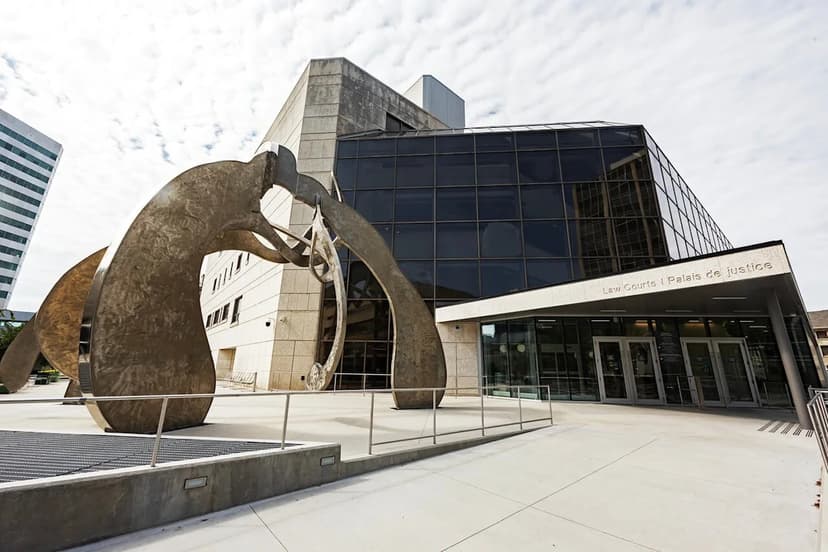
Winnipeg police are set to implement mandatory race-based data collection for all use-of-force incidents. This crucial policy change, announced during an inquest into the death of 16-year-old First Nations girl Eishia Hudson, aims to enhance data quality and completeness.
David Bowman, director of organizational development with the Winnipeg Police Service, testified that the data collection will become mandatory in the coming months following extensive consultations. These discussions with the police board and the community are deemed vital for shaping the collection methodology and ensuring proper officer training.
Ontario has already required its police forces to track race-based use-of-force data since 2020, the same year Eishia Hudson died in Winnipeg. Bowman cited a previous lack of direction from the provincial government as a reason for the delay in adopting similar measures in Winnipeg.
Preliminary data from 2023-2025, discussed at the inquest, indicates a disproportionate representation of the Indigenous population in Winnipeg's arrests and use-of-force incidents compared to their city share. However, when use of force is compared to total arrests, Indigenous involvement appears proportionate. The police service is also exploring a national uniform crime reporting survey to gather race data on accused individuals and victims.
