Home / Crime and Justice / Ballistics Test Halt: Defense Demands Independent Evidence Review
Ballistics Test Halt: Defense Demands Independent Evidence Review
18 Nov
Summary
- Defense seeks to pause ballistics testing on bullet fragments.
- Prosecutors claim evidence is inculpatory, not exculpatory.
- Testing may alter evidence, hindering independent defense analysis.
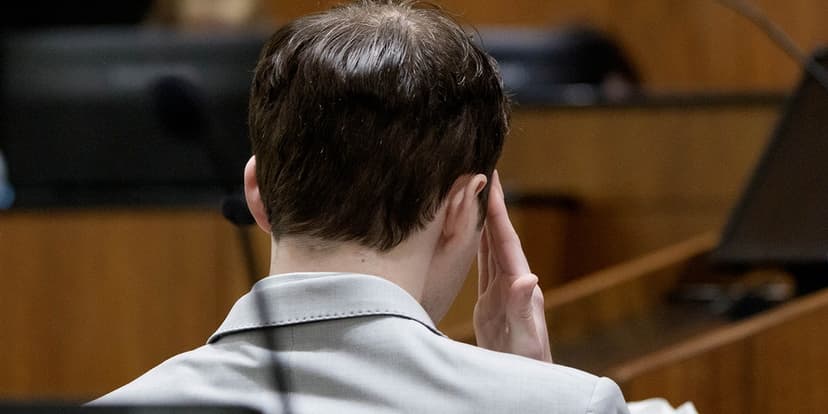
Attorneys representing Tyler Robinson, accused of murdering Charlie Kirk, have petitioned a Utah judge to pause further ballistics testing on bullet fragments. The defense team seeks an opportunity to independently examine evidence recovered during Kirk's autopsy, arguing that subsequent testing could irrevocably alter the crucial fragments.
Prosecutors aim to conclusively link these fragments to the suspected murder weapon, a .30-06 Mauser rifle. While Robinson has allegedly confessed to the shooting, and cartridge consistency has been noted, definitive ballistic links remain elusive. The defense contends that prior testing by the ATF has already potentially damaged the evidence, raising concerns that further analysis, including virtual comparison microscopy (VCM) by the FBI, could compromise their ability to conduct independent verification.
Robinson's legal team argues that if the evidence is too altered, it could severely prejudice their client by limiting cross-examination and preventing independent verification of expert testimony. They have previously indicated an intent to challenge the ATF's findings and methodology. The prosecution, however, maintains that the fragments hold significant inculpatory value and that the proposed VCM testing is non-destructive, with scan data to be provided to the defense.
Additional metallurgical testing on the fragments and disassembly of a live cartridge are also being pursued by prosecutors. Robinson has pleaded not guilty to all charges and faces the potential death penalty if convicted of aggravated murder. Kirk was shot during a Turning Point USA event at Utah Valley University on September 10, 2025.


