Home / Crime and Justice / Tesla Faces Racism Lawsuit Over Fremont Factory Abuses
Tesla Faces Racism Lawsuit Over Fremont Factory Abuses
24 Sep
Summary
- Tesla is sued for alleged racist behavior against Black employees.
- Swastikas and N-word found in Fremont factory, Black employees report abuse.
- Systemic racism allegations date back to 2012, lawsuit filed in 2022.
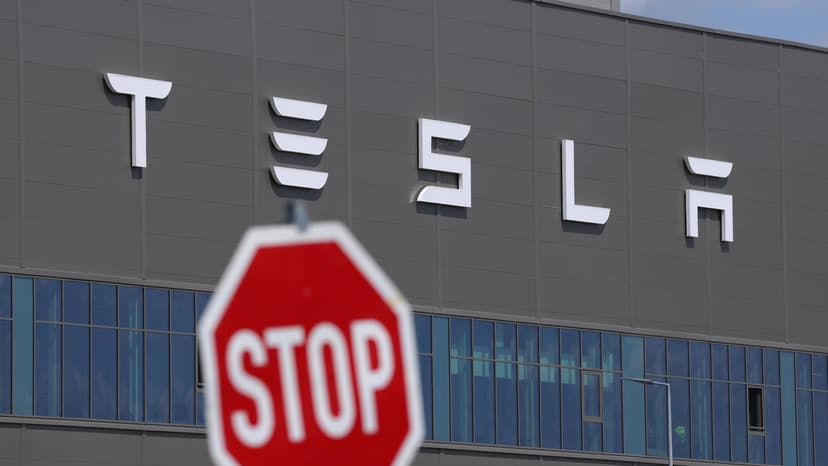
Tesla is currently embroiled in a significant civil rights lawsuit concerning allegations of pervasive racist conduct and harassment directed at numerous Black employees at its primary Fremont, California assembly factory. Opening statements revealed evidence of deeply disturbing workplace conditions, including swastikas carved into surfaces, the widespread use of racial slurs, and the presence of white supremacist symbols.
Black employees have reported facing severe harassment, including messages with racist and threatening content. Beyond harassment, several Black workers allege that Tesla subjected them to discriminatory pay practices, assigned them inferior job tasks, and limited their career progression opportunities compared to non-Black employees.
The complaints of systemic racism at Tesla's Fremont facility have been ongoing since 2012, with the current lawsuit being initiated in 2022. This legal challenge is reminiscent of a prior case in 2022 where a former Fremont plant worker successfully sued Tesla for racial discrimination and was awarded over $3 million in damages.
Tesla has contested these accusations, labeling the lawsuit as "misguided" and asserting the company is the actual victim. The defense attorney for Tesla notably used the N-word during opening arguments, suggesting its use as a casual greeting among Black workers on the factory floor rather than a derogatory term.
This trial is being conducted as a bench trial, meaning a judge, Peter Borkon, will render the verdict without a jury. Should the state prevail, Tesla could be compelled to undertake substantial reforms to its labor policies and human resources practices. The outcome is anticipated to have significant repercussions across Silicon Valley, influencing workplace equity standards and testing the strength of California's antidiscrimination laws.


