Home / Crime and Justice / Supreme Court: Geofence Warrants Are Searches
Supreme Court: Geofence Warrants Are Searches
29 Jun
Summary
- Supreme Court ruled geofence warrants are searches.
- Police need probable cause for cellphone location data.
- Case involved a 2019 credit union robbery conviction.
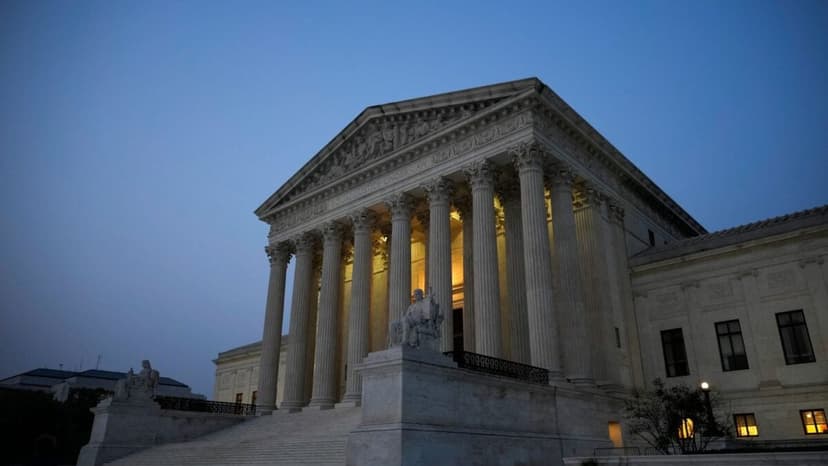
The U.S. Supreme Court has determined that geofence warrants are considered searches under the Fourth Amendment, in a 6-3 decision. This ruling will reshape how law enforcement agencies request cellphone location data moving forward. The case, Chatrie v. United States, originated from a 2019 credit union robbery near Richmond, Virginia.
Police utilized a three-step geofencing process to identify Okello Chatrie. This involved compelling Google to provide anonymized location data for devices within a specific radius. After narrowing the data, Google eventually released names and phone numbers for individuals identified.
The Court affirmed that individuals have a reasonable expectation of privacy in their cell-phone location information. While not banning the practice entirely, police must now demonstrate probable cause. This decision aligns with a previous 2018 ruling that also required warrants for accessing cellphone location data.
Privacy advocates have largely applauded the decision for reinforcing Fourth Amendment protections against unreasonable surveillance. However, some argue the court did not go far enough in prohibiting these warrants entirely, citing their past use in broad surveillance without targeting specific suspects.
This ruling sends the case back to a lower court for reconsideration of evidence obtained via the geofencing warrant. It's noted that changes in Google's data storage policies mean the company has less location information to share with law enforcement, potentially reducing the future impact of such warrants.


