Home / Crime and Justice / Grandson's Ancestral Right Denied by Supreme Court
Grandson's Ancestral Right Denied by Supreme Court
10 Nov
Summary
- Grandson has no independent right to ancestral property.
- Class I heirs include son, daughter, but not living son's son.
- Act of 1956 removed pre-existing rights of sons' sons.
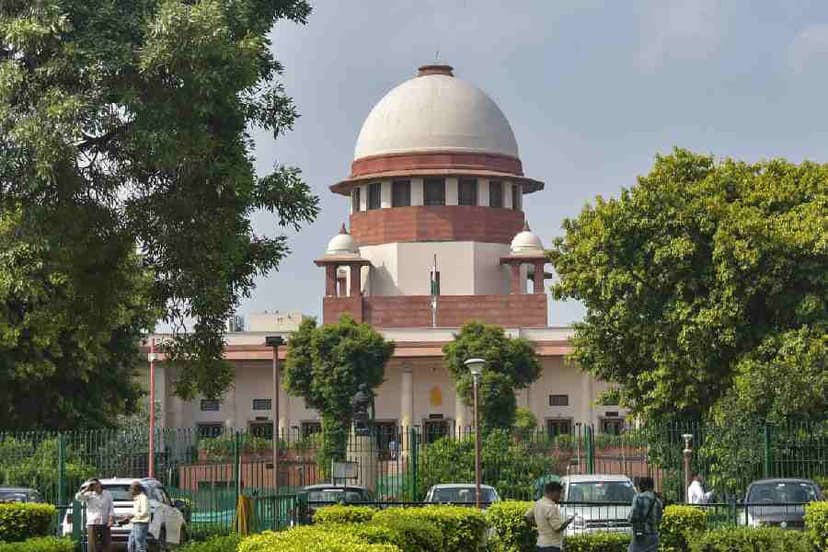
The Supreme Court has clarified succession rights, ruling that a Hindu grandson does not possess an independent right to ancestral property. Inheritance under the Hindu Succession Act, 1956, directly devolves to Class I heirs such as sons, daughters, and wives.
Justice Sunita Agarwal noted that Section 8 of the Act outlines succession for Hindu males. While the law includes the son of a predeceased son among Class I heirs, it does not explicitly name the son of a living son. This effectively excludes grandsons through living fathers from direct claims.
The court's judgment affirmed that any prior rights a son's son held under personal Hindu Law before 1956 were not expressly preserved by the legislature in the Act. This was exemplified in a case where a grandson challenged the sale of ancestral property by his father, but his claim was dismissed.
The property in question devolved upon the deceased grandfather's surviving sons and daughters as Class I heirs. Consequently, the grandson's father became the exclusive owner of his share, with no remaining interest in the suit property for the grandson, especially as he was born after the succession opened.


