Home / Crime and Justice / Predators weaponize vapes & meds for spiking
Predators weaponize vapes & meds for spiking
23 Sep
Summary
- Predators increasingly use vapes and common drugs for spiking.
- Incidents often occur in private settings, not just bars.
- New methods are hard to detect due to rapid metabolism.
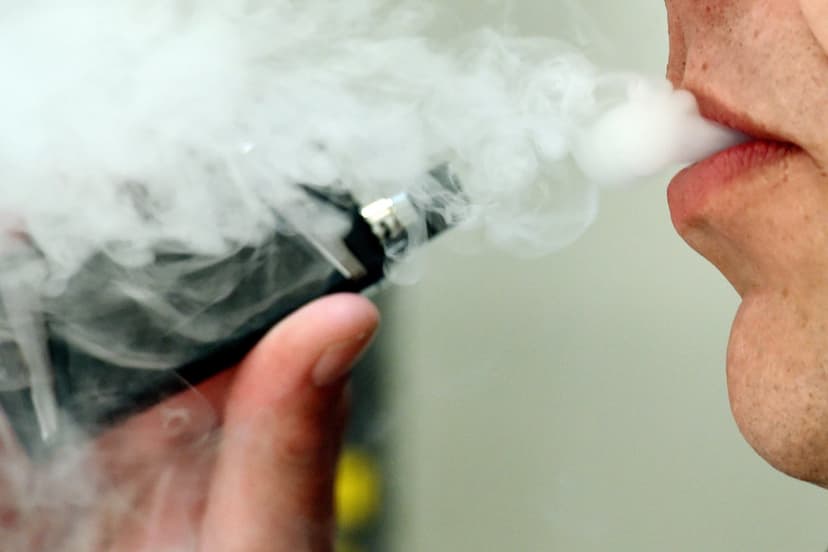
Detectives with the Metropolitan Police are observing a significant evolution in how individuals are targeted with spiked substances. Predators are increasingly employing methods that involve passing victims vapes laced with THC or spice, and administering high doses of common medications, including antihistamines and travel sickness pills, known to induce drowsiness. This represents a departure from the use of traditional 'date-rape' drugs like rohypnol and GHB. These emerging techniques pose challenges for detection and investigation due to the rapid metabolism of the substances involved, severely limiting the forensic testing window. The force reported over 2,700 spiking-related offenses in the past year, with a conviction rate of approximately 5%. The majority of victims, over half, fall within the 18 to 35 age bracket, prompting a call for increased vigilance among university students, particularly during Freshers' Week.
Incidents of spiking are associated with various offenses, including theft, robbery, and sexual assault, affecting both men and women. Detective Superintendent Dan Thompson highlighted that the nature of spiking is changing, with offenders utilizing a broader range of substances and targeting private residences more frequently. He stressed the critical importance of reporting incidents as soon as possible, ideally within 12 hours, to facilitate the collection of evidence, CCTV footage, and witness accounts. The police assure victims that they will be believed. Recent successful prosecutions include two prolific sex offenders jailed for targeting multiple women with spiked drinks, demonstrating the severe consequences for perpetrators.


