Home / Crime and Justice / Roman Tax Cheats Faced Death Penalty
Roman Tax Cheats Faced Death Penalty
11 Aug
Summary
- New stone fragments reveal 480 CE death penalty for tax evasion.
- Corrupt officials skimmed taxes, reported lower amounts to Rome.
- Harsh penalty suggests opposition to imperial will or rebellion.
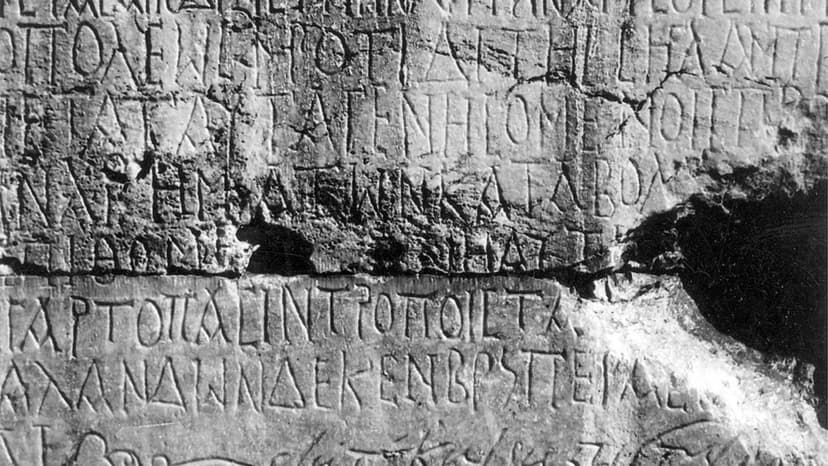
New findings from the European Research Council's STONE-MASTERS project have uncovered evidence of extreme penalties for tax evasion in the Roman Empire. Discovered in 2024, stone fragments dating to 480 CE reveal that tax fraud in Anatolia (modern Turkey) could result in a death sentence. This severe punishment was likely aimed at officials who defrauded the state by collecting more taxes from the local population than they reported to the central authorities in Constantinople.
While the decree from 480 CE threatened corrupt officials with execution, it is understood that such penalties were not typical for tax evasion during the 4th to 6th centuries. Archaeologists suggest that the death penalty in this instance may have been a rhetorical device to emphasize the severity of defying imperial will, potentially constituting a form of rebellion or lese-majesté. The discovery also offers insights into the varied practices of Roman stonemasons.
Evidence of tax abuses in western Asia Minor surfaced as early as 465 CE, but an intervening government official was ignored. The 480 CE decree, issued by the praetorian prefect, empowered an envoy to resolve the matter within three months, threatening corrupt officials with capital punishment and confiscation of their property if they failed to comply.


