Home / Crime and Justice / Tiny Plant, Big Clues: Moss Aids Forensics
Tiny Plant, Big Clues: Moss Aids Forensics
12 Mar
Summary
- Moss helps estimate time since death, aiding criminal timelines.
- Forensic botanists analyze moss to link suspects to crime scenes.
- Moss played a role in solving a cemetery desecration case.
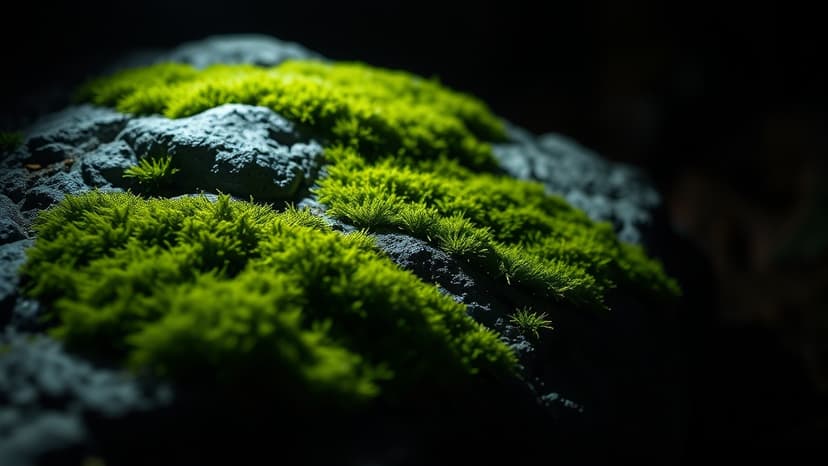
Moss, a resilient bryophyte, is proving to be an invaluable, yet often ignored, forensic resource. Its ability to grow in diverse conditions and attach to clothing or remains allows investigators to establish crucial links and timelines in criminal cases. Forensic botanists are key to analyzing these botanical clues, which can be vital in determining postmortem intervals.
Recent research highlights moss's potential, with articles published in the journal Forensic Sciences Research detailing its use. One case involved estimating the age of skeletal remains found deep in Pennsylvania woods, with moss growth suggesting they had been there for at least a year. This highlights the significant evidence plant matter holds, often overlooked by law enforcement.
The utility of moss was further underscored in a Chicago cemetery investigation. The presence and condition of specific moss species helped investigators determine that human remains had been illegally moved within the past year, contributing to the conviction of cemetery employees. This case, involving the desecration of historic graves, demonstrated moss's role in establishing timelines when other evidence is scarce.
Experts advocate for greater utilization of forensic botany, including moss analysis, to enhance criminal investigations. The collaboration between botanists and law enforcement, though often ad hoc, is crucial for uncovering hidden evidence. Increased awareness and training can strengthen these partnerships, ensuring this unique botanical evidence is more widely recognized and applied in solving crimes.