Home / Crime and Justice / FGM Hidden in Minnesota: No Prosecutions Despite Law
FGM Hidden in Minnesota: No Prosecutions Despite Law
23 Feb
Summary
- Over half a million US women and girls live with FGM scars.
- Minnesota has never prosecuted FGM despite a felony law.
- Survivors detail shame, silence, and fear surrounding FGM.
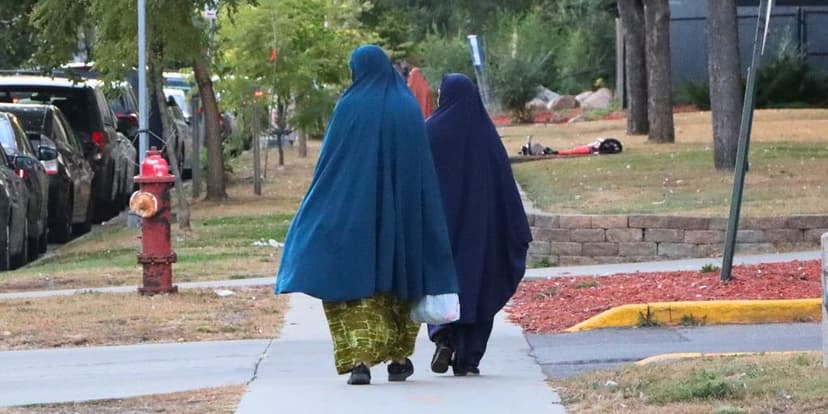
Female genital mutilation (FGM) continues to be a hidden issue in the United States, impacting an estimated half a million women and girls. Minnesota, with its significant Somali community, faces particular challenges, as nearly all women in Somalia undergo the procedure. Despite a state felony law against FGM, Minnesota has never recorded a criminal prosecution, raising concerns about enforcement effectiveness.
The practice, often performed for cultural reasons, involves the cutting or removal of female genital organs and is irreversible. Survivors and activists highlight that FGM is frequently conducted in secrecy, sometimes by family members or within tight-knit communities, contributing to its detection difficulties.
Ayaan Hirsi Ali, an FGM survivor and activist, emphasizes the profound physical and psychological damage caused by FGM, advocating for legal accountability to protect vulnerable children. Zahra Abdalla, a Minnesota-based survivor, recounts her own traumatic experience and explains how the practice is often tied to marriage expectations and dowry, with silence being a primary barrier to its eradication.
Despite the existence of laws, including federal legislation strengthened in 2021, Minnesota's records show no documented FGM prosecutions or sanctions. The state's Department of Health does not track specific FGM data, further complicating monitoring and enforcement efforts. Currently, proposed legislation aims to establish a task force to address FGM prevention in Minnesota.