Home / Crime and Justice / Fake Plates: The Evolving Business Model
Fake Plates: The Evolving Business Model
22 Jul
Summary
- Cloned license plates are now manufactured and sold online.
- Social media is a source for harvesting license plate information.
- Outdated license plate technology fuels modern criminal enterprises.
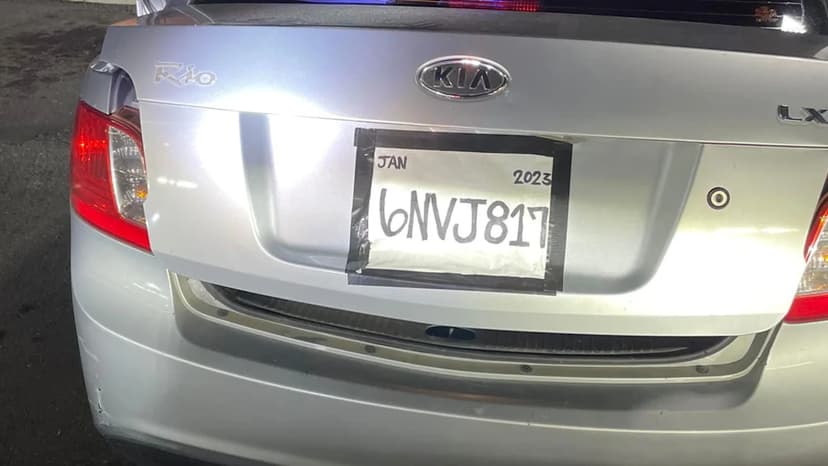
License plate cloning has evolved into a significant crime, shifting from opportunistic theft to a manufactured product sold online. This trend is underscored by a Melbourne police operation that uncovered a large-scale cloning business, highlighting that the core issue lies with outdated security technology, not the specific location.
Criminals are now manufacturing cloned plates like any other product, with some evidence suggesting social media is used to obtain the necessary details. This sophisticated approach exploits systems designed to read license plates, which lack modern security features to verify authenticity.
The core problem is that license plate technology, largely unchanged for a century, lacks the security upgrades found in other vehicle components like car keys. This vulnerability allows cloned plates to bypass automated systems like toll cameras and red light readers.
Similar patterns have emerged globally, with instances in New York and Colorado involving cloned plates and fraudulent temporary tags. These operations generate substantial revenue from unpaid tolls and are linked to serious criminal activity, including homicides.
Victims often bear the financial and legal consequences of cloned plates, struggling to prove their innocence after fraudulent activity is attributed to their registration. The current system's primary defense, like tamper-resistant screws, is seen as inadequate against such advanced criminal enterprises.


