Home / Crime and Justice / Jack the Ripper: Press Hype Obscured Killer's Identity?
Jack the Ripper: Press Hype Obscured Killer's Identity?
9 Nov
Summary
- Victorian media may have shaped the Jack the Ripper legend.
- Newspaper sensationalism might have obscured the killer's true identity.
- Police suspects may reflect media myths rather than facts.
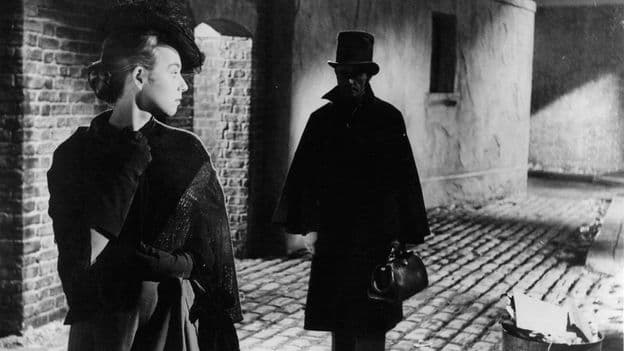
In 1888, five women were murdered in London's East End by a killer known as Jack the Ripper, whose identity remains unknown. A BBC investigation in 1988 explored whether Victorian media's sensationalist reporting and myth-making had obscured the murderer's true identity. The era's cultural climate, influenced by gothic literature and theatre, contributed to the rapid transformation of the brutal crimes into legend.
The Pall Mall Gazette, under editor WT Stead, was particularly influential. Stead's experimental, sensationalist style, which foreshadowed tabloid journalism, linked the murders to social issues and targeted police efforts. This intense publicity blurred the lines between fact and fiction, potentially affecting the police investigation itself.
Scotland Yard's later named suspects, including Montague Druitt and Aaron Kosminski, have been argued to be products of media narratives rather than solid evidence. Historians suggest the police may have been too influenced by the sensationalist archetypes prevalent in 1888's press campaigns and popular culture, rather than pursuing concrete leads.
Ultimately, the narrative suggests that the hunt for Jack the Ripper's identity may have been misdirected due to the pervasive influence of media sensationalism. The focus on sensationalist categories like aristocrats, artists, or immigrants might have prevented a clear understanding of who the actual killer was.


