Home / Crime and Justice / Justice fears dissent criminalized in India
Justice fears dissent criminalized in India
26 Jul
Summary
- Citizens voicing rights face arrest and detention.
- Iftar boat gathering led to months of jail time.
- Bail conditions impose self-censorship on undertrials.
Supreme Court Justice Ujjal Bhuyan has voiced significant concerns regarding the shrinking of democratic spaces and the growing intolerance towards public disagreement in India. Speaking at the 5th Justice GP Singh Memorial Lecture in Bhopal, he noted a disturbing trend where peaceful assembly, debate, and dissent are often treated as criminal acts.
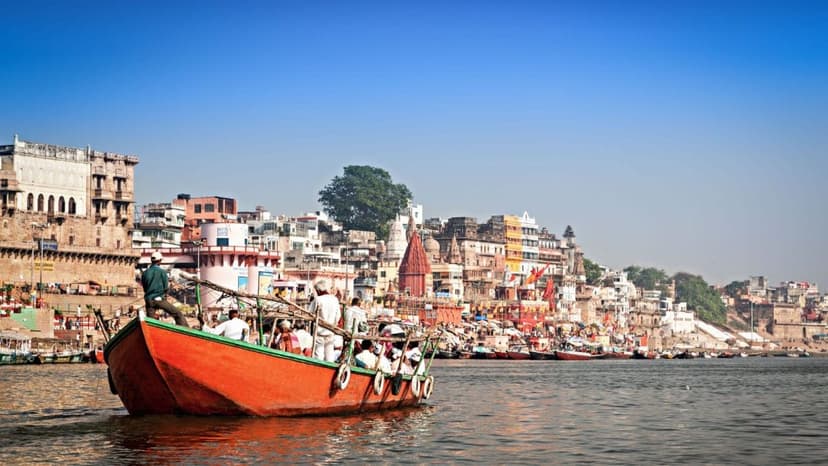
Justice Bhuyan pointed out that individuals, including environmental campaigners and university students, who assert their rights are frequently subjected to immediate arrest, extended detention, and bureaucratic hurdles in obtaining legal relief. He cited the instance of young Muslims jailed for three months after organizing an Iftar on a boat, questioning the legality and proportionality of such incarceration for activities that pose no statutory offense.
The judge also criticized the imposition of restrictive bail conditions by trial and high courts. These conditions, such as barring public meetings or ordering social media silence, can effectively enforce self-censorship and deter participation in public discourse, sending a chilling message about the penalties for engaging in public life.
Furthermore, Justice Bhuyan urged law universities to cultivate critical thinking and remain open spaces for questioning and constructive challenges, rather than promoting conformity or resorting to punitive measures against students.


