Home / Crime and Justice / Right to Die With Dignity Upheld by Supreme Court
Right to Die With Dignity Upheld by Supreme Court
15 Mar
Summary
- Supreme Court allowed passive euthanasia, granting right to die with dignity.
- Withdrawal of life support for Harish Rana marks India's first judicial approval.
- Court redefines 'passive euthanasia' as 'withdrawing medical treatment'.
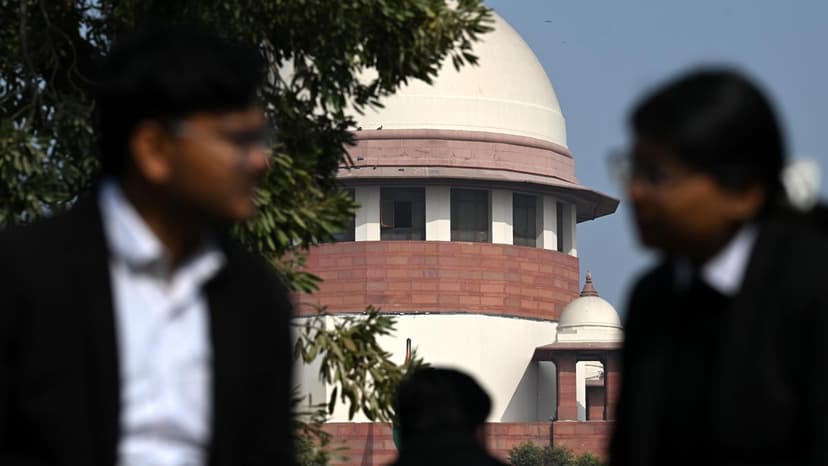
India's Supreme Court has affirmed the right to die with dignity, approving passive euthanasia for the first time in its history on March 11. This landmark ruling permitted the withdrawal of life support for Harish Rana, who had been in a vegetative state for nearly 13 years following an accident.
The Court clarified that passive euthanasia, now termed 'withdrawing or withholding of medical treatment,' is distinct from active euthanasia, which remains illegal. The distinction lies in the source of harm, with passive euthanasia not introducing new harm but allowing the natural course of life to conclude.
Justice J.B. Pardiwala emphasized that the state's interest in preserving life must yield to an individual's right to die with dignity when facing irreversible medical conditions. The 'best interests' test guides decisions on life support, focusing on whether artificial prolongation of suffering serves the patient's well-being, acknowledging a strong presumption for life that can be displaced.
Past legal deliberations, including the 1996 Gian Kaur case and guidelines following Aruna Shanbaug's situation, have shaped this evolving understanding. The Court's 2018 Common Cause judgment established procedures for life support withdrawal, highlighting the necessity of judicial intervention in the absence of specific legislation.