Home / Crime and Justice / Judiciary's Rainbow Vision: Inclusive Future Urged
Judiciary's Rainbow Vision: Inclusive Future Urged
21 Feb
Summary
- Supreme Court Justice advocates for a judiciary reflecting India's diversity.
- Calls for transgender and sexual minorities to serve as judges.
- Emphasizes constitutional morality over cultural prejudices and discrimination.
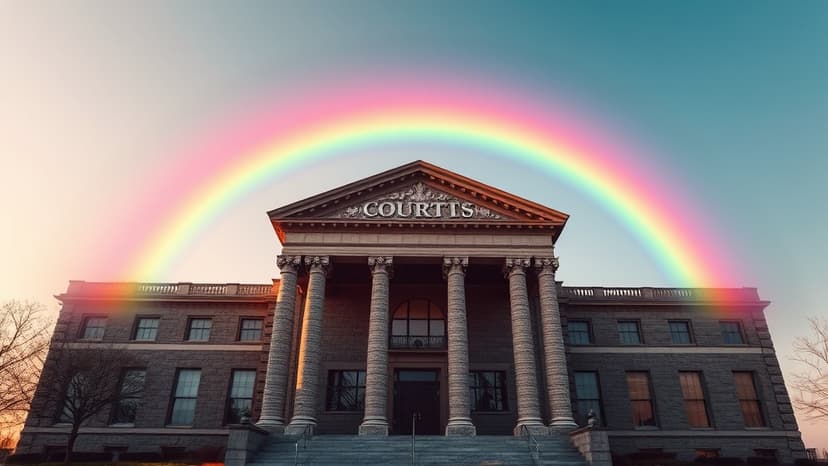
Supreme Court Justice Ujjal Bhuyan has articulated a vision for an inclusive judiciary, describing it as a 'rainbow institution' that mirrors India's diverse population. Speaking in Hyderabad, he expressed a desire to see transgender individuals and sexual minorities serving as judges. Justice Bhuyan recalled his past role as Telangana Chief Justice, where he helped strike down the discriminatory Telangana Eunuchs Act of 1919. He stressed that constitutional morality is paramount and must override cultural prejudices and stereotypes, particularly those faced by the LGBT community.
Justice Bhuyan underscored the significance of the district judiciary as the bedrock of the legal system and the primary point of contact for citizens. He referred to Article 227 as a protective measure rather than an aggressive tool for high courts. The justice also shared anecdotes illustrating persistent societal fault lines, such as housing discrimination based on community and protests against a Dalit woman preparing midday meals, noting these issues remain prevalent 75 years post-independence.
Highlighting inspirational figures who rose from trial courts, Justice Bhuyan mentioned Justices Hansraj Khanna, AM Ahmadi, and M Fathima Beevi. He also cited Kanya Nathan, who excelled in the Kerala civil judge exam despite visual impairment, following a ruling that impairment is not a disqualification. The justice urged the judiciary to bridge the 'metaphorical distance' created by high legal fees and widespread legal illiteracy, clarifying common misunderstandings like the difference between bail and acquittal.