Home / Crime and Justice / Grandparents Fight for Grandchild Amidst Medical Malpractice Claims
Grandparents Fight for Grandchild Amidst Medical Malpractice Claims
27 Feb
Summary
- Grandparents seek visitation with granddaughter over son-in-law's objections.
- Allegations of medical care contributing to daughter's death and child's illness.
- Doctor admits using AI to determine if he could prescribe for family members.

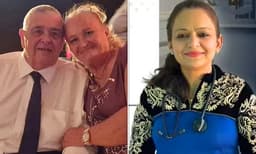
A legal battle is unfolding as grandparents Dr. Siavash Ghoreishi and Dr. Jila Khorsand seek to see their only grandchild. Their son-in-law, Scott Naso, opposes these visits, asserting that the couple's medical advice and care contributed to his wife's death from cancer in April 2026 and potentially harmed their daughter, Laila, who is now four years old.
During court proceedings, Dr. Ghoreishi, a pediatrician, revealed he consulted ChatGPT to determine if he could legally prescribe medication for himself or family members. He admitted to prescribing numerous medications for his daughter over a decade and for his granddaughter before she turned three. State law strictly governs physician prescriptions for immediate family, generally prohibiting controlled substances and limiting non-controlled substances to short durations with proper documentation.
The grandparents deny any wrongdoing, stating they have never harmed Laila. Their legal team argues that the medical care details are irrelevant to visitation rights. Conversely, Naso's attorney contends these medical actions are central to his reasons for withholding access to the child. The judge is allowing some related testimony and exhibits, including prescription records and text messages, while cautioning against repetitive or irrelevant lines of questioning.
Ethical guidelines from the American Medical Association and the Rhode Island Department of Health advise against physicians treating themselves or close relatives due to potential compromise of professional judgment. Dr. Ghoreishi has previously expressed unawareness of such codes and did not believe it was unethical to treat his granddaughter. This case highlights complex legal and ethical considerations in family visitation disputes.