Home / Crime and Justice / Colombia's Coca Comeback: Aid Fails Farmers
Colombia's Coca Comeback: Aid Fails Farmers
20 Jul
Summary
- Coca cultivation is at record levels due to failed substitution programs.
- Farmers return to coca due to lack of promised aid and support.
- New program RenHacemos aims to build entire economies beyond crops.
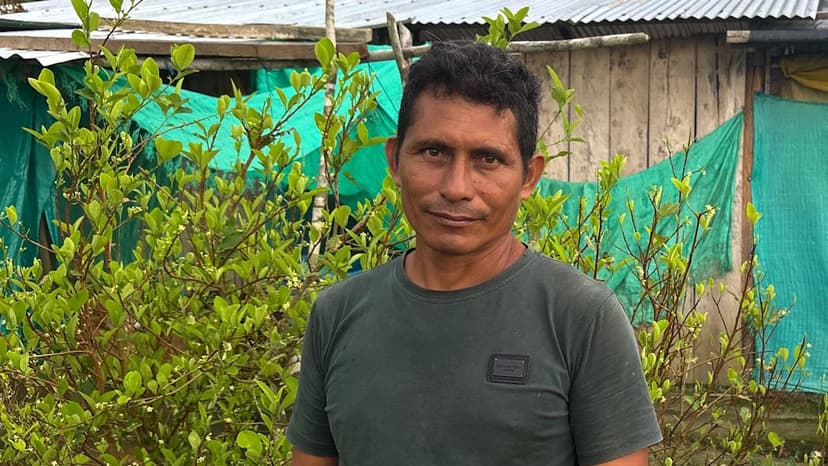
Coca cultivation is surging in Colombia, reaching over 250,000 hectares as government substitution programs have largely failed to provide promised assistance. Farmers who abandoned coca for legal crops often found themselves without roads, facing floods, and unable to sell their produce. Disillusioned, many, like Perea, have returned to planting coca, citing lack of work and no other choice.
Initiated after the 2016 peace deal, the National Comprehensive Program for the Substitution of Illicit Crops (PNIS) aimed to provide financial and technical support to around 100,000 families. However, delayed payments and weak state presence hindered its progress. Political shifts in 2018 prioritized eradication, further stalling the program. By 2022, it struggled to reach communities.
While some, like Doralba Bejarano, eventually received support leading to increased peace of mind, many farmers feel abandoned. The enduring demand for cocaine in the US and Europe, coupled with a fragile security context with armed groups controlling territories, fuels continued coca cultivation. Colombia's capital, Bogota, is home to institutions studying these complex issues.
The current government's RenHacemos program, launched in pilot areas last year, aims to build on PNIS by diversifying local economies, improving infrastructure, and enhancing digital connectivity. It seeks to replace the entire economy surrounding coca, not just the crop itself, though analysts remain skeptical about its long-term success.


