Home / Crime and Justice / Colombia Bans FGM: A Historic Win for Women
Colombia Bans FGM: A Historic Win for Women
5 Aug
Summary
- Colombia is the first Latin American nation to outlaw female genital mutilation.
- The unanimous congressional vote followed years of dedicated activism.
- FGM causes severe health issues, including hemorrhage and lifelong pain.
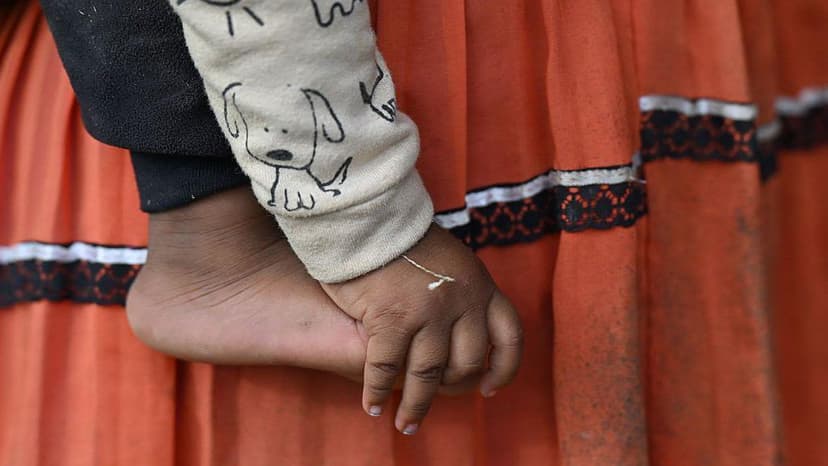
Colombia has achieved a historic milestone, becoming the first country in Latin America to enact a law prohibiting female genital mutilation (FGM). The bill passed unanimously through Colombia's Congress, capping a protracted campaign by activists to eradicate the practice.
FGM entails the partial or total removal of female genitalia for non-medical reasons, often leading to severe health issues like hemorrhaging, infection, and long-term complications with menstruation and childbirth. The World Health Organization estimates over 230 million girls and women globally have undergone the procedure, predominantly in Africa.
Activists, including those from within Colombia's Emberá Indigenous community, played a crucial role in advocating for the ban. Despite the new law, challenges remain, including addressing the deeply ingrained beliefs that perpetuate the practice and ensuring adequate public policy and resources for its implementation.
The journey to this legislative victory has been arduous, with some activists facing threats and hostility. Education and open dialogue are highlighted as vital components in dismantling the cultural justifications for FGM and promoting a future where women's bodies are understood and respected without shame.


