Home / Crime and Justice / Cities Ditch AI License Plate Readers
Cities Ditch AI License Plate Readers
17 Mar
Summary
- Flock Safety's AI cameras face backlash over immigration enforcement use.
- Over 50 cities have deactivated or rejected Flock cameras.
- Critics warn of an unprecedented domestic surveillance network.
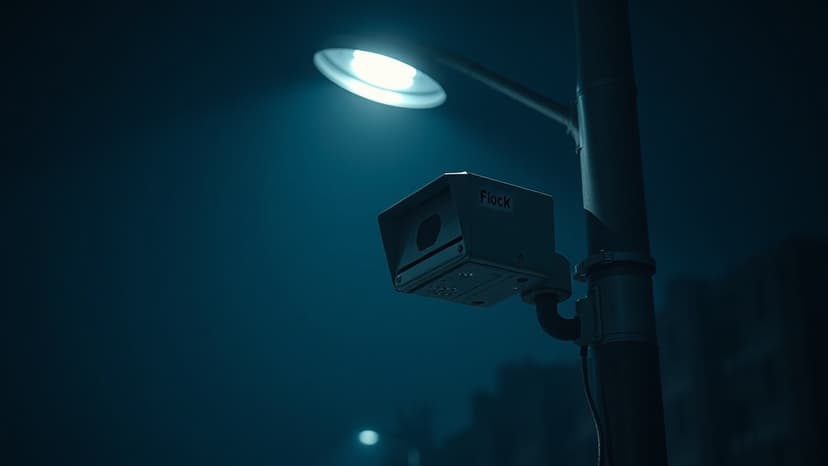
A rapidly expanding network of AI-powered license plate readers has ignited controversy in the United States, particularly concerning their role in immigration enforcement. Flock Safety, a company valued at $7.5 billion, is facing significant resistance from local authorities and privacy advocates nationwide.
Critics argue that Flock's technology creates an unprecedented domestic surveillance network, raising alarms about data sharing with agencies like Immigration and Customs Enforcement (ICE). This has led 53 cities across 20 states to deactivate or reject Flock cameras, with a notable surge in cancellations occurring in the past six months.
Despite Flock's assertion that it does not have contracts with ICE and that customers control data access, concerns persist. The company has previously barred federal agencies from its lookup tools and restricted immigration-related searches in response to state regulations. However, reports of alleged misuse continue to fuel public opposition.
Flock's AI camera systems identify vehicles and cross-reference license plates with hotlists, enabling real-time alerts. While the company boasts over 12,000 corporate customers, including nearly 6,000 law enforcement agencies, it has not disclosed the total number of cameras in its network. The technology's integration with cloud computing has lowered costs and increased its utility for law enforcement.
Law enforcement officials defend the technology, citing its effectiveness in solving numerous crimes. However, privacy activists counter that independent research proving a direct link between license plate readers and crime reduction is lacking. The debate over Flock's technology is framed as a broader national discussion on the extent of AI-driven policing and its impact on public safety versus surveillance.