Home / Business and Economy / Diners on Ozempic Eat Less, Squeezing Restaurants
Diners on Ozempic Eat Less, Squeezing Restaurants
3 Oct
Summary
- Weight-loss drugs lead to fewer restaurant orders and smaller portions.
- Restaurants face higher costs for ingredients and labor.
- Diners on GLP-1 medications eat less, impacting check sizes.
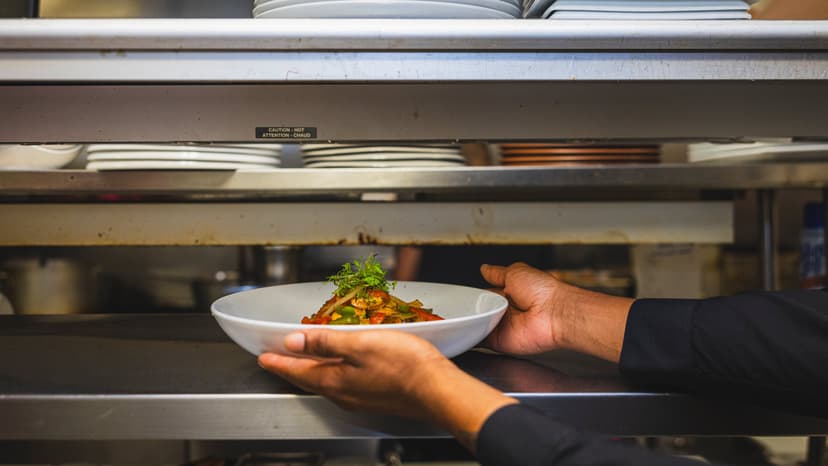
The increasing prevalence of weight-loss medications such as Wegovy, Ozempic, and Zepbound is creating a noticeable shift in the restaurant industry. Approximately 11 percent of American adults are now using these drugs, leading to reduced food consumption when dining out. This has resulted in fewer orders and smaller portion sizes being left on plates, prompting chefs and owners to adapt their menus.
Restaurants, from fast-food chains to upscale establishments, are grappling with this new reality. They face the dual challenge of declining customer orders and escalating operational costs, including higher food prices and increased labor wages. While some are experimenting with smaller portions or increased protein options, balancing profitability with diner expectations remains a significant hurdle.
Experts suggest strategies like incorporating less expensive protein sources and offering more small-plate options. However, restaurants must carefully manage pricing to avoid alienating customers not on weight-loss medications. The evolving dining landscape requires creative solutions to ensure survival in a historically low-margin business.


