Home / Business and Economy / Vietnam Births New Law: Pro-Childbirth Policies Launched
Vietnam Births New Law: Pro-Childbirth Policies Launched
3 Jul
Summary
- Vietnam enacted its first Population Law to boost childbirth rates.
- New law offers financial aid, longer parental leave, and healthcare.
- Fertility rate fell to a record low of 1.91 children per woman.
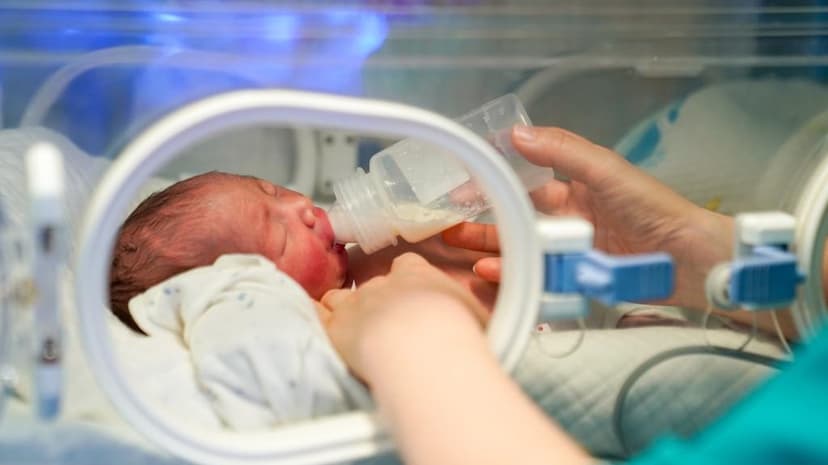
Vietnam has implemented its inaugural Population Law, a significant policy shift designed to encourage childbirth amidst a rapidly aging society and declining fertility rates. The law, enacted on Wednesday, introduces comprehensive measures to support families, including increased financial subsidies, extended maternity and paternity leave, and enhanced healthcare services for newborns. Eligible women giving birth from July 1 will receive a minimum subsidy of 2 million Vietnamese dong ($76), with expanded support for specific groups like ethnic minorities and those in low-fertility areas.
Female employees are now entitled to seven months of maternity leave and ten days of paternity leave. Subsidies for prenatal and newborn screenings are being rolled out, with nationwide expansion planned for January. Experts note this move from population control to population development is crucial for empowering reproductive choices and addressing Vietnam's demographic transition. However, sustained child-rearing support is deemed more impactful than one-off benefits.
The country, with over 100 million people, faces the challenge of getting old before it gets rich. Its fertility rate dropped to a record low of 1.91 children per woman in 2024, below the replacement level of 2.1. The Health Ministry aims to raise the fertility rate to 2 percent by 2030. While these incentives help, experts emphasize that complementary policies like affordable childcare, housing, and gender equality are essential for long-term fertility recovery and economic productivity growth beyond the current demographic dividend.


