

Home / Business and Economy / Nasdaq Snaps Win Streak as Geopolitics Shake Markets
Nasdaq Snaps Win Streak as Geopolitics Shake Markets
21 Apr
Summary
- Major US stock averages closed lower due to escalating US-Iran tensions.
- The Nasdaq Composite broke its longest winning streak since 1992.
- Wells Fargo forecasts S&P 500 to reach 7,300 by July.
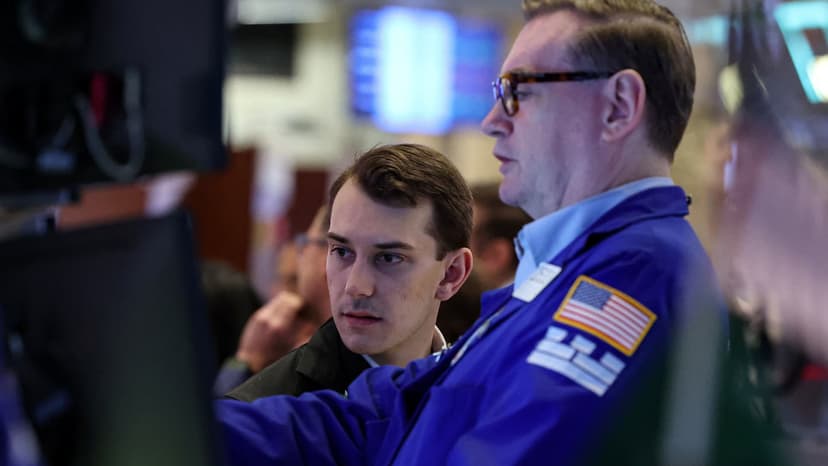
US stock futures experienced minimal change on Monday night, following a session where the Nasdaq Composite's 13-day win streak concluded.
All three major stock averages finished Monday's trading session in negative territory. This downturn was attributed to heightened tensions between the United States and Iran over the preceding weekend.
President Donald Trump announced on Sunday that the U.S. had intercepted an Iranian-flagged cargo ship in the Gulf of Oman. This development occurred as Iran indicated its non-participation in new peace talks with the U.S., with a ceasefire due to expire this week.
Despite the increased geopolitical friction and Monday's market declines, a significant portion of investors maintain an optimistic outlook for equities. Ohsung Kwon, chief equity strategist at Wells Fargo, expressed confidence on Monday afternoon, stating "We still think that the market is going to overshoot to the upside. We have our upside target of 7,300 by July, which is basically our year-end target." Kwon further commented that "I think the economy is going to be fine for the next three months."
This price target for the S&P 500 represents a 3% increase from its closing value on Monday. Investors are also anticipating a flurry of corporate earnings reports scheduled before Tuesday's opening bell, including those from major companies such as UnitedHealth, GE Aerospace, and Halliburton.
Furthermore, the confirmation hearing for Federal Reserve chair nominee Kevin Warsh is drawing attention. His prepared statement to the Senate Banking committee, released on Monday, emphasized the necessity of the U.S. central bank's independence from political influence and a focus on its core objectives. Warsh stated, "The Fed must stay in its lane." He warned that "Fed independence is placed at greatest risk when it strays into fiscal and social policies where it has neither authority nor expertise."
