Home / Business and Economy / US Rents Diverge: Austin Falls While Cities Rise
US Rents Diverge: Austin Falls While Cities Rise
7 Sep
Summary
- Rents rose in New York and Chicago but fell 8% in Austin.
- Housing market changes driven by migration and developer timing.
- Austin's rent decline reflects high valuations and slowing migration.
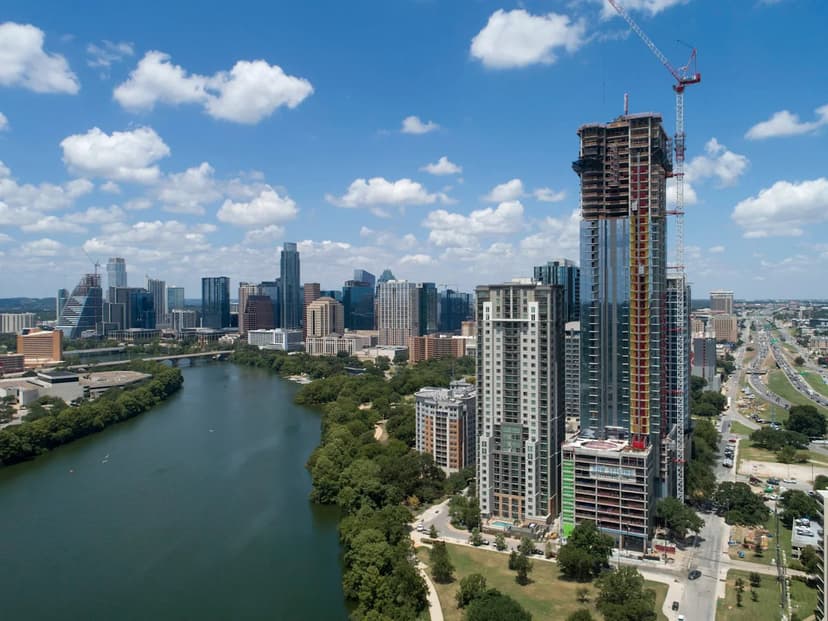
Housing markets across the United States are showing divergent rent trends, with some major cities experiencing increases while others see declines. Since mid-2023, rents have risen in New York and Chicago, but have fallen by approximately 8% in Austin. This divergence is attributed to factors such as altered migration patterns and the supply of new housing.
In Austin, a slowdown in migration from other parts of the US between 2021 and 2024 reduced housing demand. Concurrently, a surge in new residential building permits, approved during a previous demand boom, led to increased housing supply. This combination of reduced demand and increased supply, particularly in markets with historically high rent valuations, contributed to the observed rent decrease. Austin represents an extreme example of these combined factors.
The trend of slowing rent growth is also evident in other cities like San Antonio, which saw a 4% decline. Metros such as Austin, San Antonio, Phoenix, and Dallas have experienced rent declines, often linked to both high rent valuations and decelerating migration. These market shifts are generally not the result of deliberate policy interventions aimed at lowering rents, highlighting the complex interplay of economic forces influencing housing costs nationwide.


