
Home / Business and Economy / Ratepayers Fund Future Power Projects Now
Ratepayers Fund Future Power Projects Now
9 May
Summary
- Utilities charge customers for projects before completion.
- This practice is expanding rapidly across at least 40 U.S. states.
- Consumers face higher bills with uncertain long-term benefits.
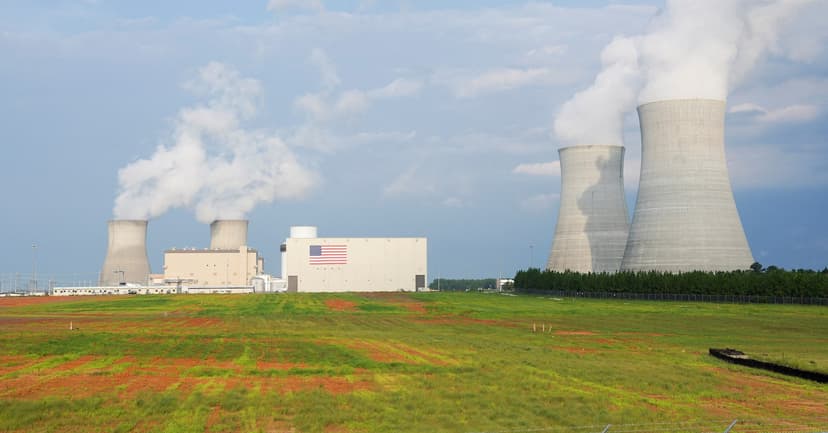
Millions of Americans are currently funding electric grid projects that are still under construction, leading to increased electricity bills. Policy-makers are allowing utilities to charge customers for power plants and transmission lines before they are built, a shift from traditional financing models. This practice, known as Construction Work In Progress (CWIP), aims to expedite grid modernization amid soaring demand, particularly from data centers.
At least 40 U.S. states now permit CWIP incentives, a significant increase from a decade ago. This expansion is driven by the urgent need to upgrade the nation's aging grid and the tight reserve buffers across several regions, which predict electricity demand growth of over 2% annually. Examples include a Virginia offshore wind farm that has already collected approximately $2 billion in ratepayer charges before operations began.
Critics argue that CWIP unfairly shifts financial risk to consumers, who may not see benefits for decades or ever. The Vogtle nuclear reactors in Georgia, a project financed with CWIP, faced massive cost overruns and delays, costing ratepayers around $1,000 each since 2009. Consumer advocates highlight the affordability crisis caused by rising power prices, with CWIP exacerbating the issue for households and businesses.
Utilities maintain that CWIP is crucial for attracting investment in essential infrastructure and can reduce overall financing costs for ratepayers in the long run. However, analyses suggest that the projected benefits may be minimal and take many decades to materialize. The capital spending by U.S. electric utilities is expected to exceed $1 trillion over the next five years, with CWIP playing a significant role in financing these projects.
