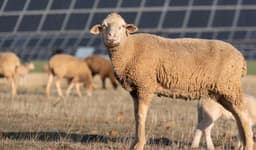
Home / Business and Economy / Peak Sheep? UK's Flock Declines Dramatically
Peak Sheep? UK's Flock Declines Dramatically
6 Mar
Summary
- Sheep numbers in UK have fallen to lowest in memory.
- Lamb consumption per household dropped significantly.
- New trade deals increase competition from abroad.
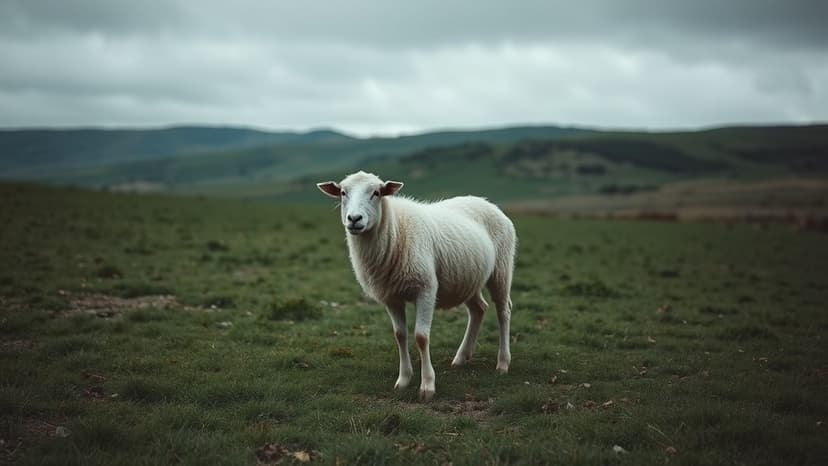
The British sheep farming industry is facing unprecedented challenges, with numbers of breeding ewes falling to the lowest in living memory. Neil Heseltine, a farmer in the Yorkshire Dales, has shifted from raising 800 sheep to just 45, highlighting a widespread trend across the UK. This turnaround is driven by increased costs for fuel and fodder, reduced subsidy income, and worries about competition from overseas due to recent trade deals with Australia and New Zealand.
Consumption of sheep meat has also seen a significant decrease in Britain. In 1980, households consumed 128g of sheep meat per person weekly; by 2024, this figure dropped to 23g. Consequently, many farmers are older, with the average age being 60, and younger generations are finding fewer opportunities in the industry. This situation sparks debate about whether uplands might be better suited for nature recovery and biodiversity promotion.
Despite challenges, there's a silver lining for some within the industry. Demand for lamb is expected to grow globally, and within the UK, a significant portion of this demand comes from Muslim consumers, who eat lamb and mutton weekly for festivals and in traditional dishes. However, farmers still face tight margins and uncertainty regarding future agricultural policies and subsidies, emphasizing a need for clear governmental plans.