Home / Business and Economy / UK Food Self-Sufficiency: Is Processing the Missing Link?
UK Food Self-Sufficiency: Is Processing the Missing Link?
20 Mar
Summary
- UK can grow beans, peas, oats, and barley abundantly.
- Producers transport crops miles for basic processing.
- Industry faces a crossroads, impacting food self-sufficiency.
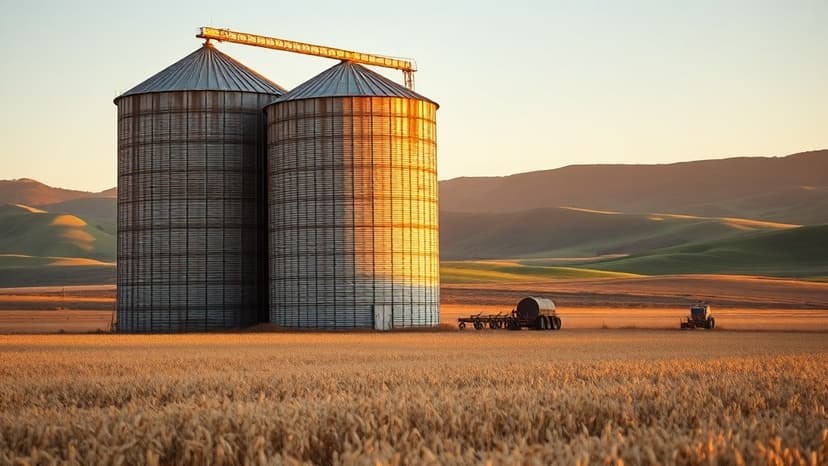
A hidden aspect of the food supply chain, food processing, is emerging as a critical factor for the UK's food self-sufficiency. While attention often focuses on the sale and growth of food, the journey from farm to fork relies heavily on processing facilities. Although the UK possesses the capacity to grow significant quantities of beans, peas, oats, and barley, producers face logistical challenges.
These farmers often must transport their crops considerable distances to access fundamental processing services such as cleaning, sorting, de-hulling, and grading. This reliance on distant facilities highlights a gap in the domestic infrastructure. The UK's current processing factories are integrated into globalized supply chains, importing substantial volumes of grains and pulses as ingredients.
However, historical practices reveal a different scenario. Research into Sheffield's past has uncovered its significant role in pea canning, crediting a pioneering woman with transforming the processing industry. Today, the industry faces a crossroads, with initiatives ranging from farmers producing oat milk in their own barns to the operation of the UK's last remaining pea and bean processing facilities. This situation poses critical questions about the future of domestic food processing.