Home / Business and Economy / UK CEOs Get Pay Hikes Amid US Talent Fears
UK CEOs Get Pay Hikes Amid US Talent Fears
21 Mar
Summary
- FTSE 100 companies are increasing CEO pay to retain talent against US competition.
- Generous pay awards are causing less shareholder discontent than in prior years.
- International bosses and companies with global operations see higher pay.
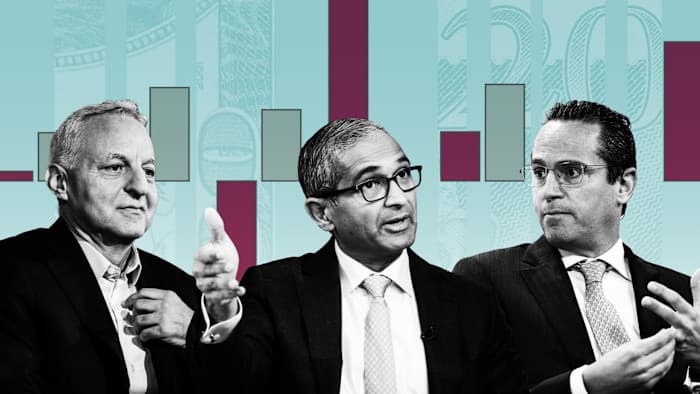
British boards are increasingly awarding significant pay packages to chief executives, driven by concerns about retaining talent against competition from the United States. Smith & Nephew recently doubled CEO Deepak Nath's maximum reward to $15.3 million, joining a trend seen with leaders at Rolls-Royce and Shell, who have also received substantial increases this year.
Unlike in previous years, these generous pay awards have largely avoided significant shareholder backlash. This shift contrasts sharply with 2019, when executive pay faced considerable criticism. Now, there is a greater willingness among investors to approve these increases, partly due to the Investment Association's updated guidelines offering more flexibility.
Companies often justify these hikes by pointing to improved share prices and the need to benchmark against international peers, particularly in the US. Nearly a fifth of FTSE 100 CEOs reside outside the UK, highlighting the global nature of talent acquisition. This trend is particularly evident in banking, where pay has reached decade-long highs.
For example, Shell increased CEO Wael Sawan's pay from £8.6 million to £13.8 million, with potential for up to £27.5 million. Rolls-Royce's Tufan Erginbilgiç could exceed £18.5 million, and AstraZeneca's Pascal Soriot has received substantial awards. The rationale often cited is the international competition for highly sought-after executives, essential for retaining key talent and maintaining competitive operations.
While concerns remain about pay inflation and generic justifications like 'attract and retain talent,' recent analysis shows increasing shareholder support for remuneration policies. Some shareholder advisory firms have noted a shift in investor focus towards company performance and management's ability to succeed in uncertain environments, rather than solely scrutinizing pay details.