
Home / Business and Economy / UAE Exits Opec: Oil Market Faces New Uncertainty
UAE Exits Opec: Oil Market Faces New Uncertainty
28 Apr
Summary
- UAE will depart Opec on May 1, ending its membership since 1967.
- The nation plans to increase oil output, diverging from Opec's strategy.
- The UAE's exit impacts Opec's global influence on oil prices.
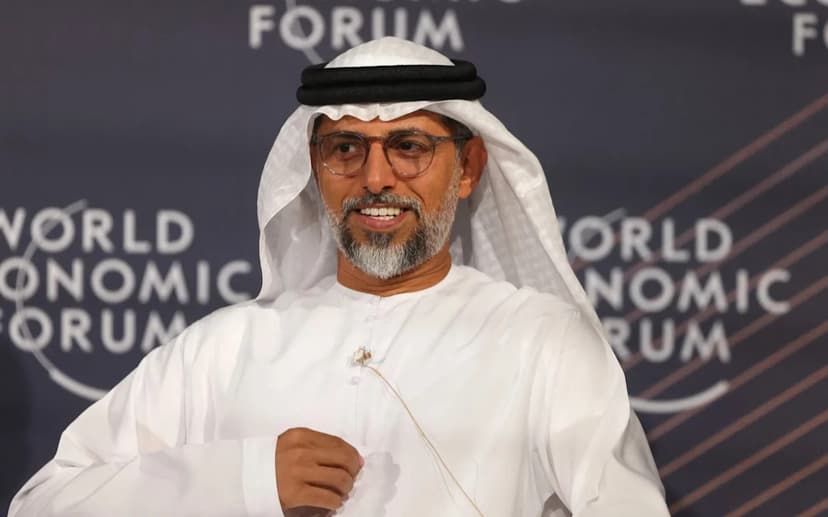
The United Arab Emirates has declared its intention to withdraw from the Opec oil cartel, a significant development affecting global energy markets. The UAE, a member since 1967, will officially exit on May 1, signaling a departure from coordinated global oil production policies.
This strategic move aligns with the UAE's long-term economic vision to accelerate domestic energy production. The nation plans to increase its oil output significantly, aiming to reach five million barrels per day by 2027, a move that contrasts with Opec's traditional approach of managing supply to influence prices.
The UAE's departure, which also includes exiting the broader Opec+ arrangement, is expected to reduce the cartel's influence on worldwide oil prices. As one of the top 10 oil producers, its independent strategy may alter the global supply landscape and its relationship with key members like Saudi Arabia, which has often championed production cuts.
