

Home / Business and Economy / Trump's New Tariffs: Pharma and Metals Hit Hard
Trump's New Tariffs: Pharma and Metals Hit Hard
3 Apr
Summary
- New tariffs target branded pharmaceuticals and metals imports.
- Tariffs aim to recoup losses after Supreme Court ruling.
- Metals tariffs reduced, but valuation method changed.
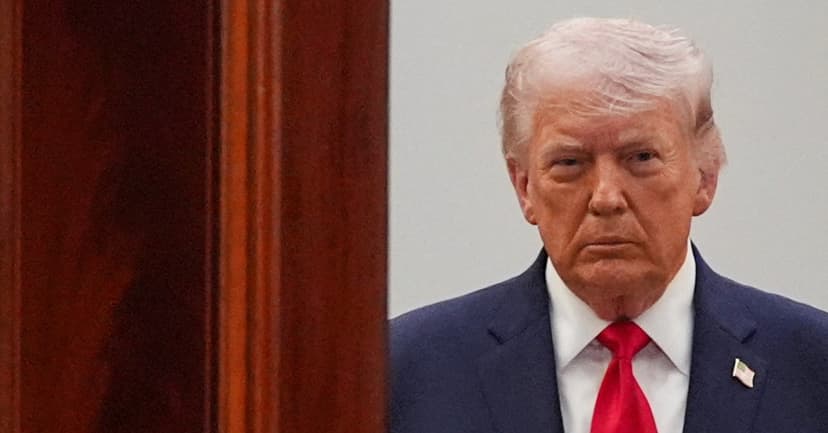
The United States has implemented new tariff measures on specific branded pharmaceutical imports and revised duties on steel, aluminum, and copper. This action by the Trump administration aims to restore tariff revenue lost after the Supreme Court invalidated earlier broad import duties approximately one year after their initial announcement.
These new pharmaceutical tariffs require foreign manufacturers to agree to reduce prescription drug prices and move production to the U.S. to avoid duties. Failure to meet both conditions could result in a 100% tariff, while partial compliance offers a 20% tariff. However, trade deals with the EU, Japan, South Korea, and Switzerland cap these tariffs at 15% for branded drugs, and a separate deal with Britain ensures zero tariffs for three years.
In parallel, metal tariffs have been adjusted. While the 50% duty on commodity steel, aluminum, and copper imports remains, the rate on many derivative products has been halved to 25%. The valuation method for these duties has also been updated to apply to the U.S. sales price, potentially increasing effective tariffs. Products with minimal metal content will be exempted.
These tariff revisions come one year after the introduction of broad 'reciprocal tariffs' that triggered retaliatory actions and legal challenges. The U.S. Chamber of Commerce expressed concerns that the new measures could increase costs for consumers and industries already facing supply chain and energy price challenges.
