Home / Business and Economy / Texas Gas Burned as Global Supplies Diverge
Texas Gas Burned as Global Supplies Diverge
22 Mar
Summary
- Texas gas prices have plunged to negative levels due to infrastructure limitations.
- Producers are burning excess gas because it's cheaper than paying for disposal.
- Global energy markets show a significant disconnect in supply and demand.

Disruptions in global energy supplies have created a paradox: while some regions desperately seek natural gas, Texas is experiencing a surplus, leading to its flaring.
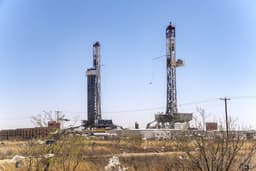
In West Texas, the co-production of oil and natural gas means high output is maintained due to surging crude prices, fueled by the war in Iran. However, the region lacks sufficient infrastructure to export the excess gas, causing local prices to plummet below zero.
Specifically, next-day delivery prices at the Waha hub in the Permian Basin have traded under zero, meaning sellers pay buyers to utilize scarce pipeline capacity. Last week, Waha recorded its lowest weekly average spot price on record, with prices reaching as low as -$9.75 per million British thermal units. Some anticipate prices could drop to -$10 as pipeline maintenance reduces takeaway capacity.
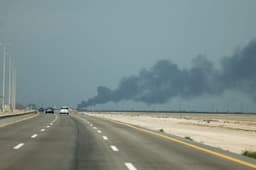
This collapse at Waha exemplifies a broader global energy issue: insufficient supply chains to distribute abundant raw materials. As Texas gas prices crash, European gas prices have soared after an attack on Qatar's largest liquefied natural gas facility, likely tightening global supplies.
Texas producers facing the dilemma of negative gas prices have limited options. Halting production is undesirable and costly, especially with US oil benchmarks near $100 per barrel. Alternatively, they seek permission from the Texas state regulator to flare excess gas. Flaring events this year have reached their highest monthly seasonal levels in at least five years.
Even at exceptionally low prices, most Permian production remains economically viable, as profits from oil output significantly offset losses from gas.