Home / Business and Economy / El Nino Threatens Paddy Output: Telangana's Rice Strategy
El Nino Threatens Paddy Output: Telangana's Rice Strategy
22 Jul
Summary
- Advance ration rice distribution aims to free up warehouse space.
- Record paddy procurement has strained storage capacity in Telangana.
- Farmers urged to diversify crops due to water-intensive paddy cultivation.
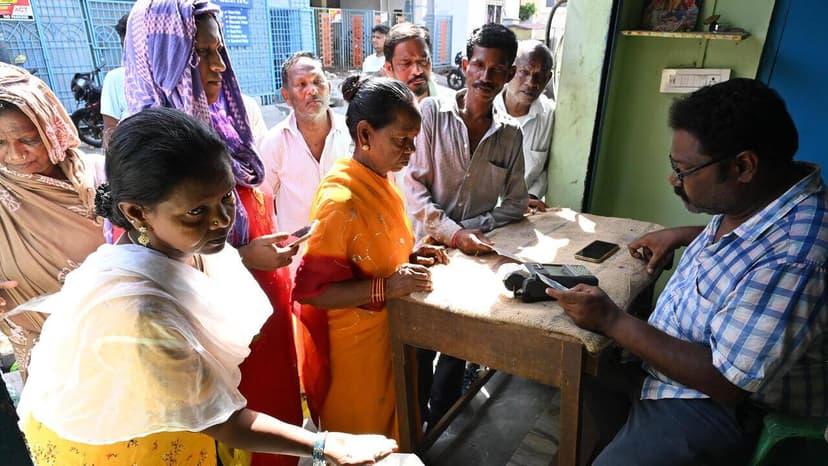
The Centre has instructed states to distribute the August, September, and October ration rice quotas during August, in anticipation of El Nino conditions. This directive is poised to ease the storage burden on warehouses in Telangana, which are currently facing a crunch due to record paddy procurement over the past three seasons.
Officials indicated that approximately 6 lakh metric tonnes of fine rice would be distributed, freeing up significant storage space. Despite this, around 9 lakh metric tonnes of milled rice are expected to remain in government warehouses. This reserve could prove vital for ensuring uninterrupted PDS supplies if El Nino impacts paddy production in the upcoming Kharif season.
Telangana has been grappling with mounting paddy stocks following consecutive seasons of high production and procurement, with Rabi season alone yielding over 1.4 crore metric tonnes and procurement nearing 85 lakh metric tonnes. To mitigate dependence on water-intensive paddy cultivation, the state government, along with agricultural experts and the Telangana State Farmers' Commission, is actively encouraging farmers to diversify into pulses, vegetables, and fruits.
The state has requested an increase in the Centre's paddy procurement allocation to 80 lakh metric tonnes from the current 52 lakh metric tonnes for custom milling. Should El Nino affect rice production this season, the demand for paddy in the private market, both domestically and for export, is also anticipated to rise.
Consequently, the state cabinet has resolved to procure paddy from farmers only to the extent accepted by the Centre. Promoting high-demand paddy varieties like BPT 5204 and Telangana Sona, which offer better returns and have strong market demand, is also being encouraged based on the Farmers' Commission's recommendations.


