
Home / Business and Economy / Tata Motors' VRS: Voluntary or Strategic Move?
Tata Motors' VRS: Voluntary or Strategic Move?
8 May
Summary
- Tata Motors denies VRS scheme is for cost-cutting.
- Scheme offered due to employee and union requests.
- VRS ran from April 10 to April 30, with modest uptake.
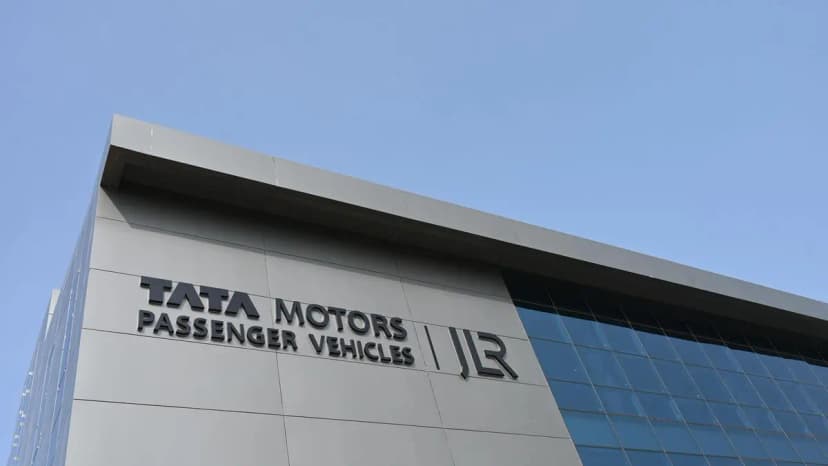
Tata Motors has stated that its recently concluded voluntary retirement scheme (VRS) was not intended for cost-cutting or headcount reduction. The company asserted that the scheme was initiated in response to requests from employees and unions and has now concluded.
This marks Tata Motors' third VRS in approximately four years and follows its demerger into separate passenger and commercial vehicle businesses. Industry experts, however, view VRS exercises as a common strategy for gradually lowering long-term employee costs, especially within manufacturing sectors undergoing technological changes.
The company described the VRS as "thoughtfully designed and entirely voluntary," offering competitive benefits. The scheme, which ran from April 10 to April 30, covered permanent employees aged over 40 or with at least 10 years of service.
Despite the company's assurances and the scheme's competitive offerings, only about 275-300 employees reportedly opted in. Analysts suggest this modest participation rate may indicate that job security outweighed the VRS benefits for many employees as the auto sector continues its transformation.
