Home / Business and Economy / Gulf Chokepoint Threatens World's Helium, Fertilizer
Gulf Chokepoint Threatens World's Helium, Fertilizer
23 Mar
Summary
- Strait of Hormuz critical for one-third of global helium.
- Half of world's urea fertilizer passes through the strait.
- Disruptions risk cascading impacts on agriculture and manufacturing.

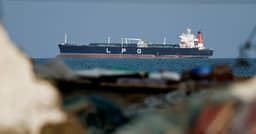
The Strait of Hormuz, a critical global chokepoint, poses significant risks beyond energy supplies. It serves as a major transit route for approximately one-third of the world's helium and half of its urea, a vital component in fertilizer production. Experts highlight that non-energy materials constitute up to 15% of goods passing through, with potential shortages leading to widespread agricultural and manufacturing disruptions.
Southeast Asian nations, heavily dependent on agriculture, face particular vulnerability. Reduced fertilizer availability directly impacts crop yields and farmer incomes, threatening food security and increasing consumer costs. While short-term supply shocks might be managed through stockpiles or alternative products, prolonged closures would severely affect crop cycles and farmer planting decisions.
The disruption extends to helium, an essential industrial gas crucial for cooling in semiconductor fabrication and MRI systems. A helium shortage could jeopardize the chip and healthcare industries, as substitutes are difficult to implement in advanced processes. Current mitigation efforts, like seeking alternate sources or building stockpiles, only partially address the overreliance on imported helium.
Long-term strategies involve reducing dependence on vulnerable supply chains and investing in more efficient processes, such as helium recycling and green ammonia alternatives. Multilateral organizations like ASEAN can play a role in hedging against such disruptions, though industries will still face volatile commodity markets. The current crisis signals a period of heightened fragility for critical input supply chains.