Home / Business and Economy / Iran's Strait Control: A Wake-Up Call for Global Energy
Iran's Strait Control: A Wake-Up Call for Global Energy
29 Aug
Summary
- Global energy markets remain reliant on oil and gas despite green tech.
- Cheap drones now threaten multibillion-dollar energy infrastructure.
- China's stockpiles shifted OPEC's role to global oil market manager.
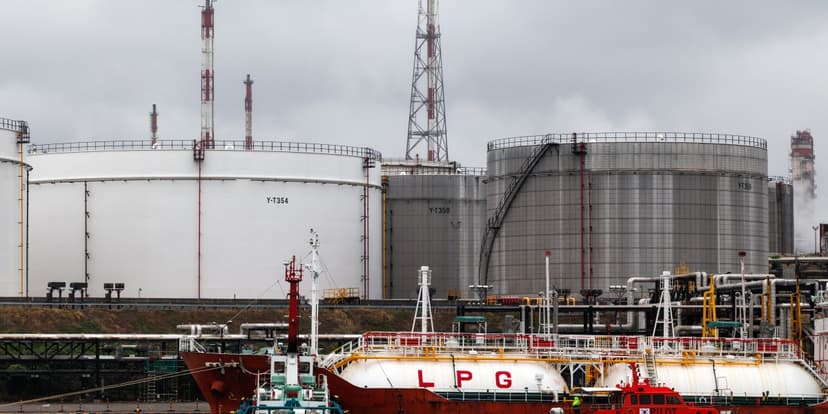
Six months after the conflict began, doomsday energy scenarios have not materialized due to increased production and substantial stockpiles. Iran's reinforced control over the Strait of Hormuz, a vital waterway for global oil trade, is prompting governments to diversify their energy sources. Analysts emphasize that oil and gas remain significant geopolitical leverage points for hostile actors, despite advancements in alternative technologies.
The conflict revealed how easily and inexpensively critical energy infrastructure can be threatened, marking a paradigm shift for the energy industry toward "just-in-case" supply chains. Energy importers, like Japan, are actively investing in diversifying supplies beyond the Middle East. Similarly, oil exporters are investing in alternative routes and pipelines to reduce reliance on the Strait of Hormuz.
While the global market has proven resilient to supply shocks, partly due to coordinated releases from emergency oil stockpiles and increased production from countries like the U.S. and Saudi Arabia, this resilience may not last. China's role in managing its substantial stockpiles has become crucial, effectively shifting the global oil market management away from OPEC. However, continued tensions and the prospect of a prolonged Strait closure suggest the market's 'credit card' is nearing its limit.


