Home / Business and Economy / Micro-Lending Plummets: SMEs Face Credit Crunch
Micro-Lending Plummets: SMEs Face Credit Crunch
25 Nov, 2025
Summary
- Bank lending to first-time micro-entrepreneurs has significantly decreased.
- PMEGP scheme sanctions are only 12% of the previous fiscal year's total.
- Rising NPAs and tighter underwriting norms deter bank lending.
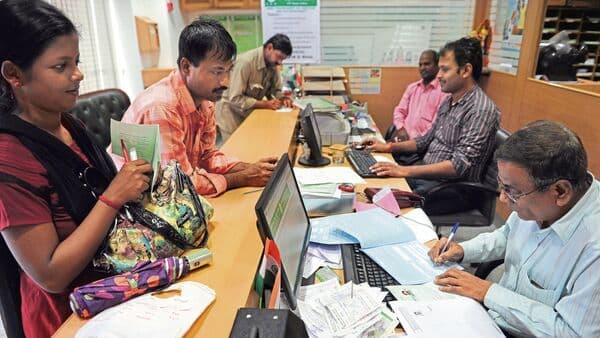
Bank lending to first-time micro-entrepreneurs has experienced a sharp decline, indicating a tightening credit environment for small businesses. Official data reveals that the crucial Prime Minister's Employment Generation Programme (PMEGP) has sanctioned only about 12% of the previous fiscal year's total by early October. This significant drop, from ₹12,316 crore to ₹1,455 crore, has raised concerns among industry stakeholders, who note that sanctioning typically increases in the latter half of the fiscal year.
Several factors are contributing to this trend, including a potential shortage of government margin money and increased caution from banks due to rising non-performing assets (NPAs). Geopolitical shocks, such as increased US tariffs on Indian exports, have particularly impacted export-oriented MSMEs in sectors like textiles and gems, leading to a projected increase in NPAs. Banks are now more conservative, scrutinizing project viability and repayment capacity more rigorously, while also facing delays in inspections and compliance checks.
This slowdown in lending affects India's vast MSME sector, which is critical to the nation's exports, manufacturing output, and employment. The PMEGP scheme, vital for creating entrepreneurs and jobs, has assisted nearly one million micro enterprises since its inception. However, the current economic climate and stricter lending norms, including enhanced credit scoring requirements, are making it more challenging for these businesses to access necessary financing.