

Home / Business and Economy / Singapore Economy Faces Global Headwinds, Seeks Middle East Opportunities
Singapore Economy Faces Global Headwinds, Seeks Middle East Opportunities
20 Apr
Summary
- Singapore's growth forecast to moderate to 2.5% due to global trade strains.
- Middle East opportunities could provide support amidst global instability.
- Technology investments position Singapore for AI adoption by 2030.
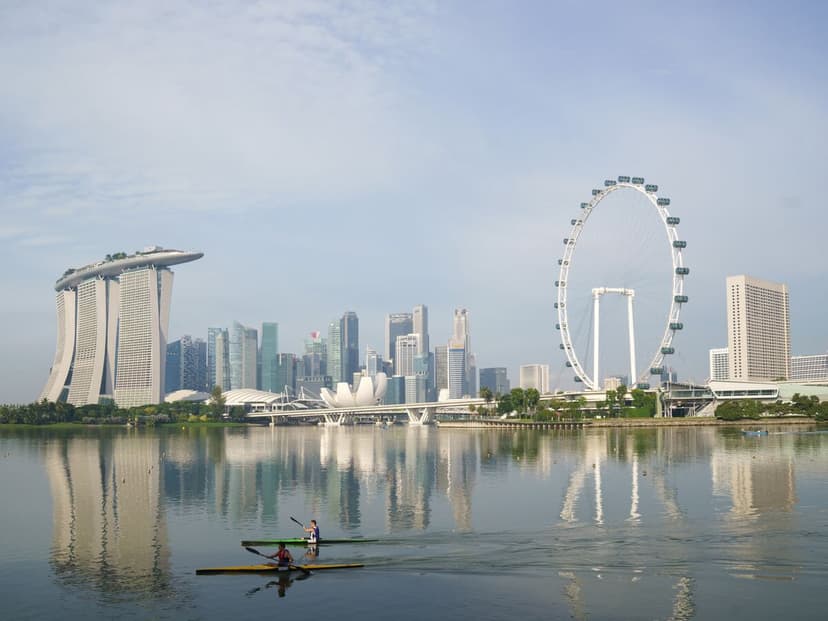
Singapore's economic growth is projected to moderate, settling around 2.5% this year and between 2%-3% long-term, due to increasing protectionism and global trading system fragmentation. These challenges stem from geopolitical tensions and national security-driven investment shifts. Despite these headwinds, Singapore is expected to maintain growth rates exceeding many developed nations.
The city-state is actively seeking opportunities, including drawing wealth-management business through its strong currency and AAA credit rating amidst global market instability. Inflows from the Middle East are anticipated to rise if regional conflicts persist. Investments in technology are also key, with AI adoption alone potentially unlocking over S$190 billion in value by 2030.
Long-term risks include the fading of the rules-based international order and the US-China divide. Initiatives like equity market reforms and government allocations for local fund managers aim to boost listings and trading volume. The burgeoning number of family offices, expected to reach 3,300 by the end of 2026, indicates Singapore's strong appeal for foreign investment.
