Home / Business and Economy / Shrimp Scams Persist: Restaurants Mislabel Imports
Shrimp Scams Persist: Restaurants Mislabel Imports
23 Feb
Summary
- Most Charleston restaurants sell imported shrimp, not local.
- Some establishments falsely advertised foreign shrimp as local.
- Labeling laws are needed to inform consumers about shrimp origin.
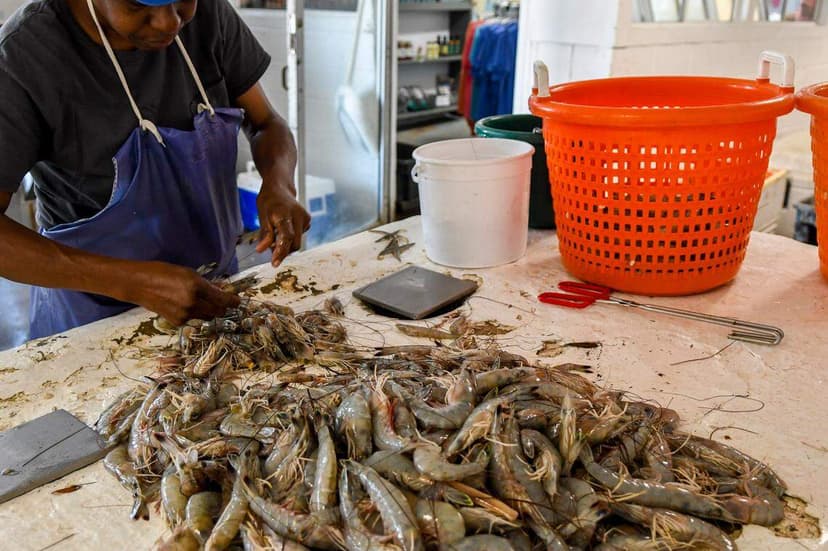
A recent investigation into Charleston restaurants found that the majority continue to serve farm-raised imported shrimp, with some falsely advertising it as wild and locally caught. This second round of genetic testing showed only a slight improvement from a year prior, indicating persistent issues with shrimp mislabeling.
The U.S. shrimping industry is struggling against an influx of foreign imports. Restaurants are a critical point of sale, with 70% of seafood expenditures occurring there. Ensuring accurate labeling empowers consumers to choose between highly regulated American fisheries and imported shrimp with lower inspection rates.
As of early 2026, tests in Charleston revealed that 23% of tested restaurants were serving wild-caught American shrimp, a slight increase from the previous year's 9%. Many restaurants that still served imported shrimp implied it was locally sourced. This situation highlights the demand for improved labeling laws in several southern states.
Advocates are pushing for legislation to mandate clear labeling for shrimp products. This movement is gaining traction as shrimpers fight for fair trade practices. The goal is to provide transparency for consumers who wish to support domestic seafood industries.