Home / Business and Economy / Shocking $100K Bills Reveal Healthcare Price Gouging
Shocking $100K Bills Reveal Healthcare Price Gouging
2 Mar
Summary
- Patients receive exorbitant bills for routine procedures.
- Chargemaster prices are the starting point for negotiations.
- Insurers lack incentive to bargain for lower patient costs.
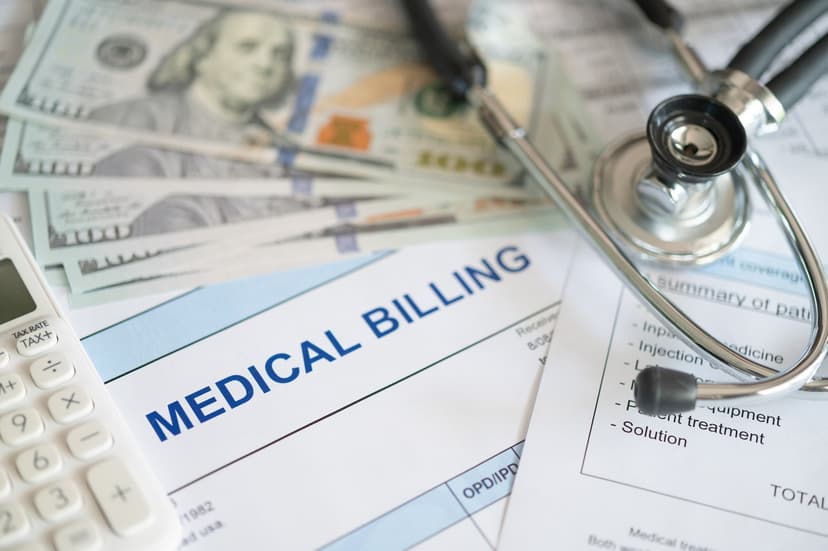
Several Americans have been blindsided by extraordinarily high medical bills for routine procedures, highlighting deep issues within the U.S. healthcare system. Samantha Smith received a bill for nearly $100,000 for an ectopic pregnancy removal, while Jamie Estrada was charged $28,000 for two brief lidocaine injections. Mark McCullick received a $77,000 bill for a PET scan that found no cancer.
These charges originate from 'chargemaster' price lists, which, while not paid directly by insured patients, significantly influence negotiated rates. Insurers, facing little pressure to secure lower prices due to their ability to raise premiums, often pay a large portion of these inflated bills. This creates a system where patients indirectly bear the brunt of high costs through increased insurance premiums and deductibles.
Transparency remains a critical issue, with published price lists proving difficult for patients to comprehend. Analysis of this data reveals vast price disparities for identical services, even within the same hospital. Factors like negotiated contracts, 'carve-outs' for expensive drugs, and the relative market power of insurers and providers contribute to these unpredictable price variations.
Many insurers are not incentivized to lower prices, as higher overall healthcare spending allows them to collect a larger share of premiums while still meeting legal requirements for patient care spending. This dynamic ensures that rising costs translate into higher premiums for consumers, benefiting insurers through increased profits. Patients are left struggling to understand what constitutes a 'reasonable' price for their care, with little recourse against seemingly arbitrary billing practices.